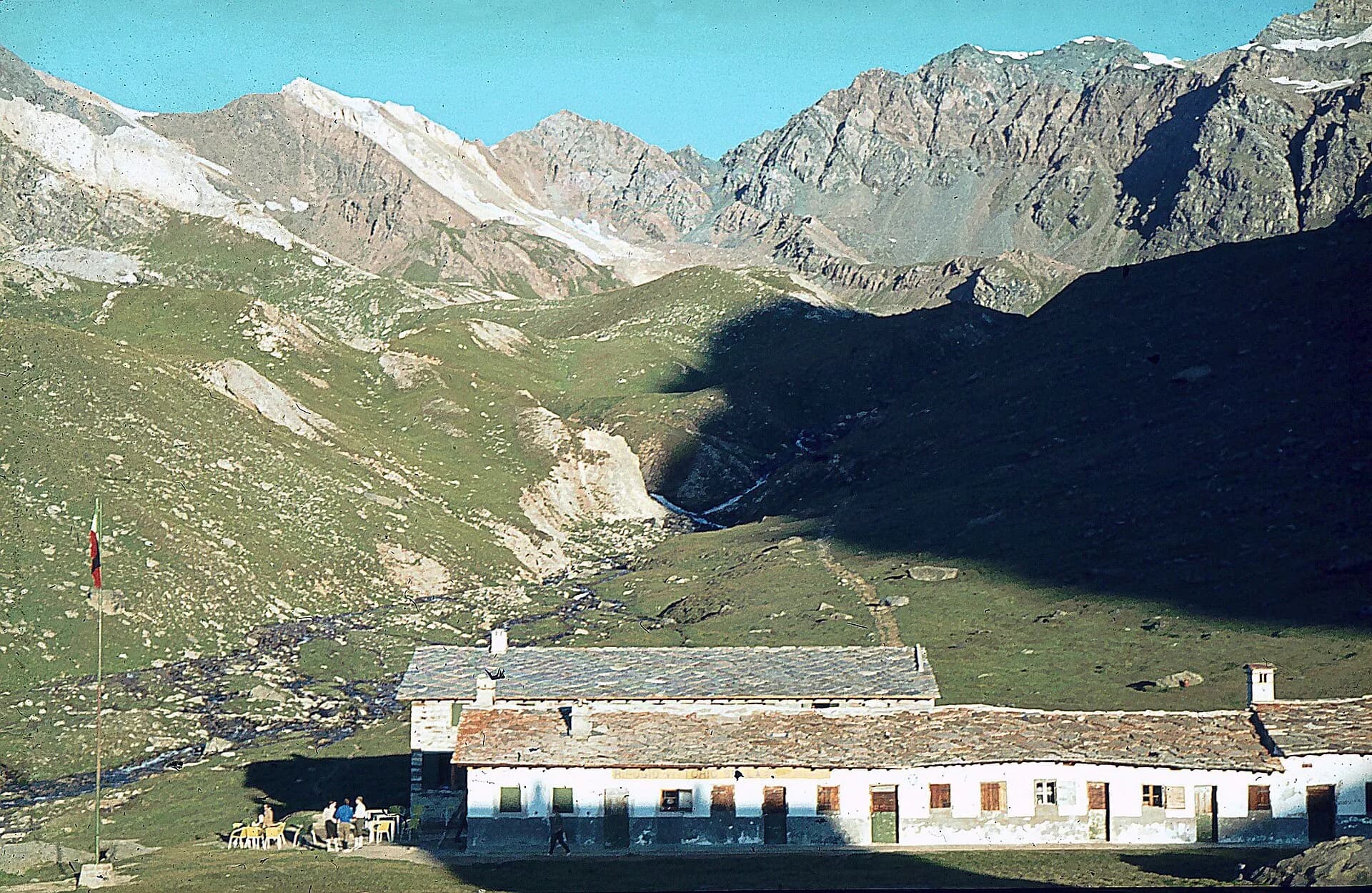
Grivola, Mont Emilius and Mont Fallère are the symbolic non-four-thousand summits of Aosta Valley: iconic, accessible and beloved by local hikers. They do not reach 4,000 m but dominate the region's cultural and visual landscape — from Val di Cogne to the Aosta valley floor.
En bref
- Grivola: the pyramid of Gran Paradiso National Park
- Mont Emilius: the balcony above Aosta
- Mont Fallère: 360° view over the valley floor
Vue 3D du massif
Carte interactive avec relief MapTiler. Tournez et inclinez pour explorer la morphologie du massif.
Géologie
Grivola is a limestone and gneiss pyramid above Cogne; Emilius is a gneiss massif above Aosta with steep rock faces; Fallère consists of limestone and micaschists in the southern Mont Blanc group. All three show signs of Pleistocene glaciation and periglacial shaping.
Histoire et culture alpine
Emilius is cited from the Middle Ages in Valdostan chronicles; its ascent was a symbol of local pride. Grivola dominates Cogne's memory and park postcards. Fallère is a classic Sunday hiking target from the valley floor.
Sentiers et itinéraires
Hikes from Cogne toward Grivola (EE), from Pila toward Emilius (E–EE) and from Saint-Pierre to Fallère (E) are among the most popular. Views of all major massifs on clear days.
Tous les sommets
Grivola
3969m
Grivola (3,969 m) is the most beloved non-4,000 m peak in Aosta Valley: a pyramid of rock and ice above Cogne, symbol of Gran Paradiso National Park. Visible from much of the valley and a setting for classic mountaineering ascents.
Mont Emilius
3559m
Mont Emilius (3,559 m) overlooks Aosta like a sentinel: the summit seen daily from the regional capital. A popular hiking destination with exceptional views over the main valley and great massifs.
Mont Fallère
2920m
Mont Fallère (2,920 m) is a panoramic promontory above Saint-Pierre, reachable from Aosta on well-marked hiking trails. It offers 360° views over the valley floor and the Valdostan alpine arc.