Trail guide
The most nature-rich treks in Aosta Valley
Five Aosta Valley treks deep in forests, alpine pastures and high meadows across Valsavarenche, Cogne and Valdigne — home to ibex, chamois and marmots.
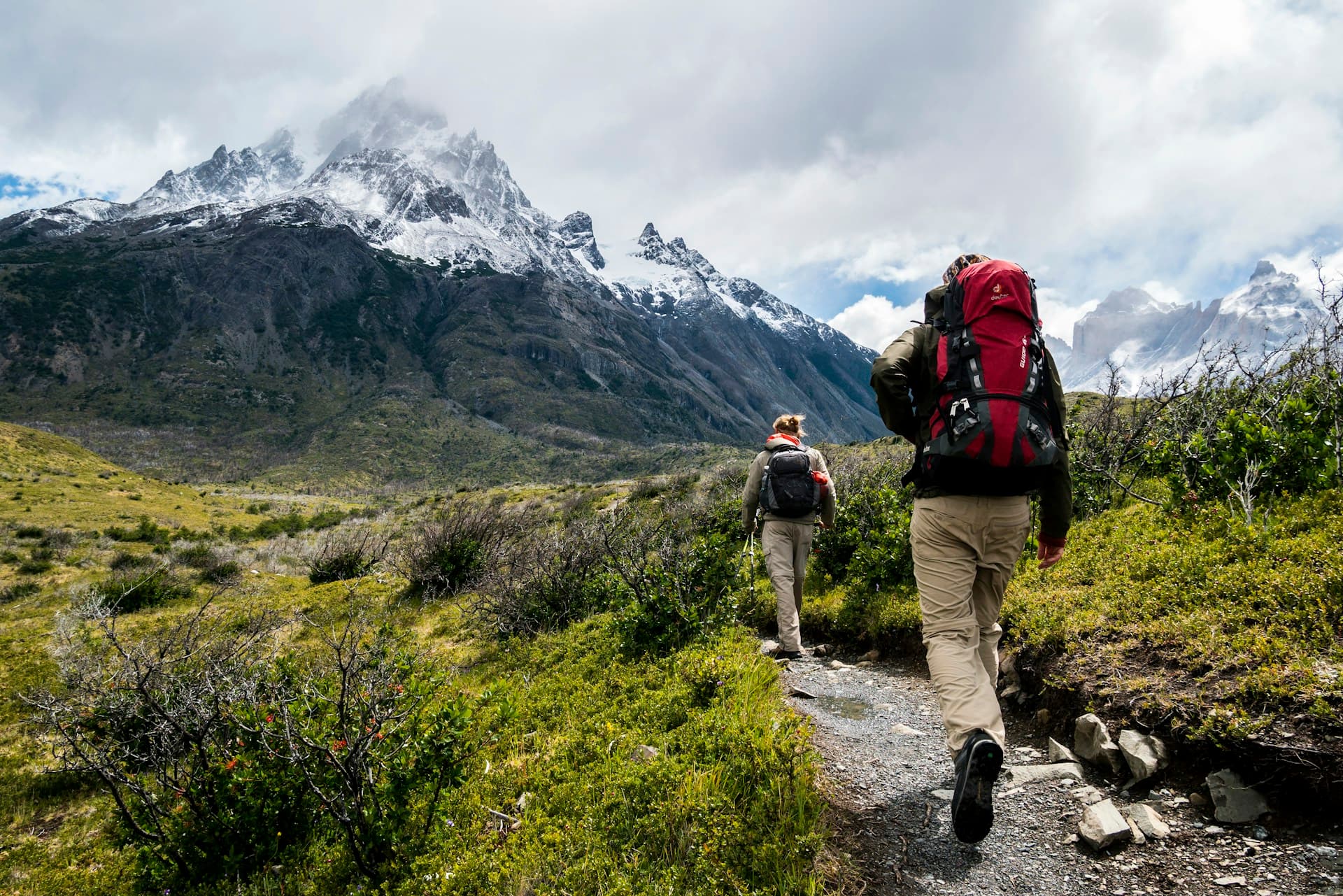
There is a way of walking in the mountains that doesn't chase the summit or the record, but the encounter: with a forest of centuries-old larches, with a marmot whistling as you approach, with the profile of an ibex against the sky. The Aosta Valley, which safeguards within the Parco Nazionale del Gran Paradiso the oldest park in Italy (1922) and an extraordinary continuity of habitats from the forest to the alpine tundra, is the ideal territory for this kind of «slow» trekking, where nature is the goal and not the backdrop.
This guide gathers five itineraries from the Sentieri VdA catalogue that cross the richest and best-preserved environments in the region — woods, alpine pastures, high-altitude meadows — chosen because they are different from one another and all distinct from the destinations in our other guides. They are routes of medium difficulty, where the reward is not only the panorama, but the concrete possibility of observing alpine wildlife in its habitat.
To observe wildlife without disturbing it: move quietly, at dawn or dusk, keep your dog on a leash where allowed and don't leave the trails. In protected areas it is forbidden to pick flowers and disturb animals.
1. Crétaz–Becca d'Aver, the balcony of the Valsavarenche
The Crétaz–Becca d'Aver trail climbs from the valley floor of the Valsavarenche up to a summit-belvedere with a significant elevation gain: 11.4 km and +1892 m, difficulty E. It is a demanding trek that crosses the entire sequence of environments on the slope — from the conifer forest to the alpine pastures, up to the high-altitude meadows where the chamois and ibex of the Gran Paradiso graze.
The Valsavarenche is one of the park's queen valleys: narrow, wild, with one of the highest wildlife densities of the Alpine arc. The long climb to the Becca d'Aver rewards you with a 360-degree panorama over the massif. To be tackled in high summer, setting off at dawn to maximise sightings and to manage the elevation gain calmly.
2. Marseiller–Col des Bornes, among the pastures of the Valsavarenche
More modest but equally immersed in nature, the Marseiller–Col des Bornes route — 8.1 km and +995 m, E — climbs the pastures of the Valsavarenche up to a panoramic pass. It is the ideal itinerary for those seeking the Gran Paradiso environment with a more sustainable effort: pastures, scree, the silence broken only by the whistle of the marmots.
The valley's passes are historic crossings between pastures and neighbouring valleys: to reach them means walking in the tracks of shepherds and royal hunters, because these mountains were for decades the hunting reserve of the Savoy before becoming a park. The recommended season is summer, when the pastures are active and the blooming is at its peak.
3. Vieyes–Bivacco Gontier, the silence of the Grand Nomenon
From Vieyes, in the Val di Cogne, trail no. 5 climbs through woods and pastures up to the Bivacco Mario Gontier, at 2302 metres on the Grand Nomenon pasture: 6.9 km for +1167 m, difficulty E. It is a trek of great contemplation, in a little-frequented side valley where the park's wildlife — ibex first and foremost — lets itself be observed with relative ease.
The Nomenon is one of the most authentic side valleys on the Aosta Valley side of the Gran Paradiso: the pasture, the bivouac, the walls that close off the head of the valley create an amphitheatre of silence. A summer itinerary, perfect for those seeking nature and quiet more than crowds. Bring binoculars: sightings, here, are the norm.
4. Ozein–Pointe de la Pierre, forests and meadows above Cogne
The Ozein–Pointe de la Pierre climb crosses forests, pastures and open meadows up to 2642 metres: 7.5 km, +1293 m, difficulty E. It is a classic panoramic route that, as it climbs, reveals the entire range of the Aosta Valley's high-altitude environments, with views over the Pila basin and the Val di Cogne.
The forest–pasture–meadow sequence is an open book of alpine ecology: each band has its own flora and fauna, from the black grouse at the forest line to the marmots of the higher pastures. The recommended season is summer and early autumn, when the larches turn and the air is clearer. A full day, for fit walkers.
5. Runaz–Alpage du Glacier, the great climb of the Valdigne
To close in a crescendo, the Runaz–Alpage du Glacier trek starts at 839 metres and reaches the pasture at 2163 metres: 8.7 km and +1635 m of elevation gain, difficulty E, among the most demanding in the Valdigne. The climb crosses dense woods, pastures and open meadows, on a slope little trodden by mass tourism that retains a strong wild character.
It is the itinerary for those seeking the «good» fatigue and solitude: the great elevation gain filters out the crowds and offers full contact with the environment. The reward is a panoramic pasture with views over the Valdigne and the border mountains. To be tackled in summer and early autumn, with good preparation and attention to the weather.
Walk light, observe better
Naturalistic trekking calls for a change of pace: fewer target-kilometres, more attention. The best hours for wildlife are dawn and dusk; silence and stillness are worth more than any telephoto lens. Staying on the trail protects the fragile high-altitude vegetation and the tranquillity of the animals. Before setting off, always consult the data sheet for each itinerary for elevation gain, recommended period and any protected-area rules: in the Gran Paradiso in particular, respect for the rules is what has made possible, over a century, the return of the ibex from the brink of extinction.