Land · Traditions · Food & wine

Culture

14 valleys documented along our High Routes and tours: historic villages, alpine customs, typical dishes and wines with links to official sources.

Valleys & towns

Valleys of Aosta Valley

Each valley hiked or referenced in our trails: geography, history and key municipalities with links to official websites.

The valleys of Aosta Valley and where they lie

Balcony on Mont Blanc

Val Ferret

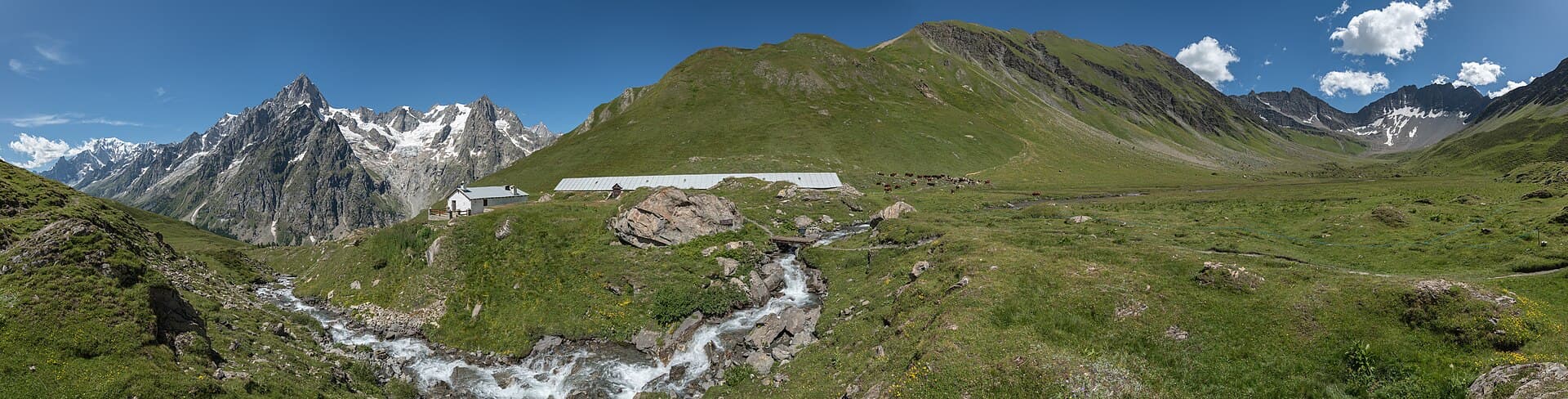
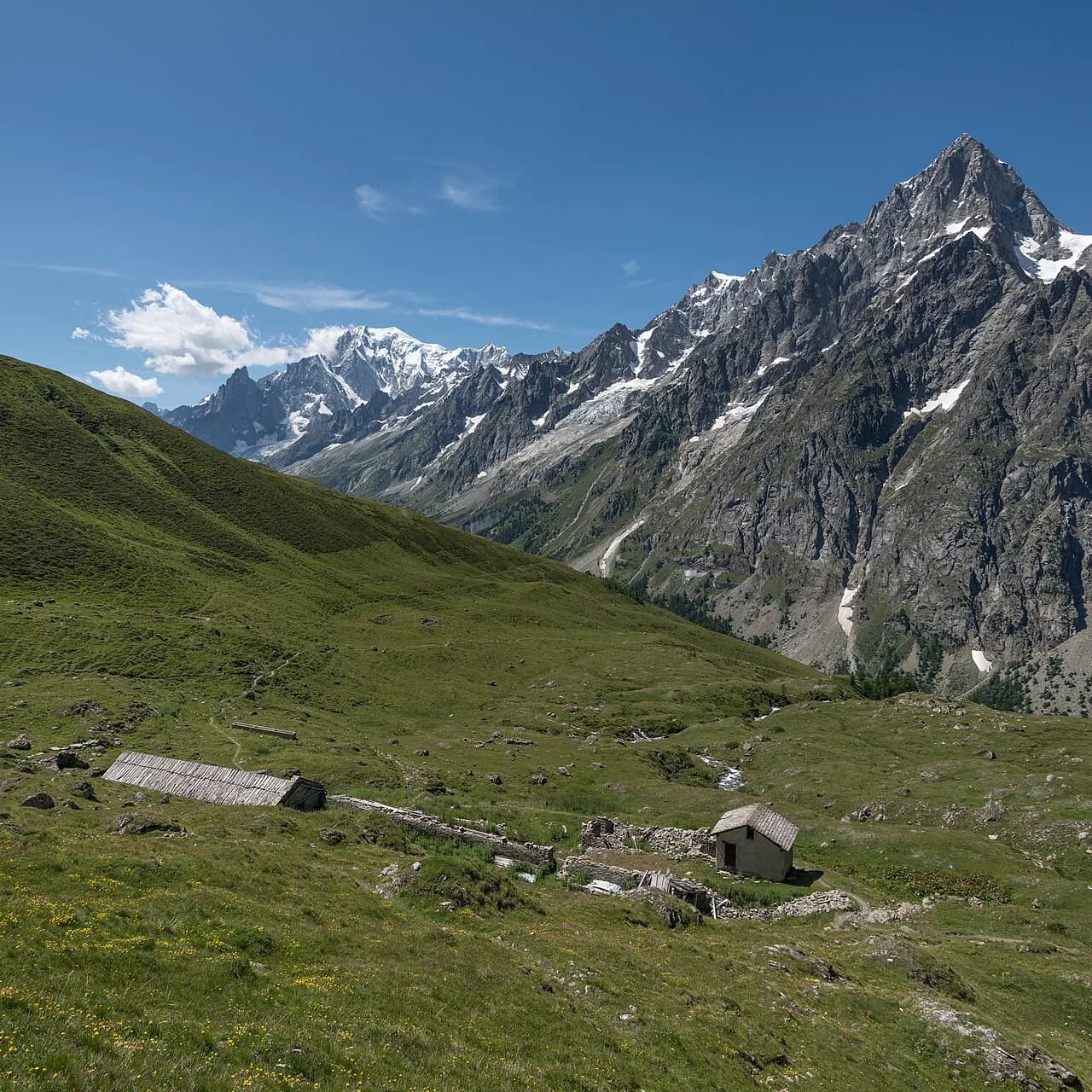
Val Ferret opens west from Courmayeur as a green amphitheatre of larch and meadow, with the Mont Blanc massif filling the horizon. This is the Italian side of the Tour du Mont Blanc: historic huts, high pastures and trails that stare straight at the Grandes Jorasses. Larches turn the landscape gold in autumn; in summer shepherds bring herds back to the Lavachey and Arnouva plateaus.

Municipalities and villages

Courmayeur

Alpine capital at the foot of Mont Blanc, Courmayeur blends mountaineering tradition with an international outlook. Its historic centre, spa and Skyway cable car make it the natural gateway to Val Ferret and Val Veny.

Official website

La Salle

A valley-floor municipality among vineyards and chestnut woods, La Salle preserves hamlets like Le Pont and Chaffardon — starting points for walks through terraced vineyards and old mule tracks climbing toward Val Veny.

Official website

Source: Regione Autonoma Valle d'Aosta — Dipartimento Turismo, Sport, Commercio e Trasporti
Val Veny

Southern face of Mont Blanc

Val Veny

Val Veny is Mont Blanc's wild valley: glaciers, moraines and glacial lakes such as Lac de Miage, with the Mont Blanc profile mirrored in cold water. Less busy than Ferret, it feels more austere and mountaineering-oriented, with Rifugio Elisabetta and routes toward Col de la Seigne. Wildlife — chamois, ibex, golden eagle — is especially visible here.

Municipalities and villages

Courmayeur

From Courmayeur the Val Veny road climbs to La Visaille at the foot of the glaciers. The municipality manages access to trails on the Italian side of Europe's highest massif.

Official website

La Salle

La Salle's hamlets lie on the Dora Baltea valley floor, a short drive from the turn-off to Val Veny. Ancient chestnut groves and small villages preserve the rural economy of Courmayeur's lower mountains.

Official website

Source: Regione Autonoma Valle d'Aosta — Dipartimento Turismo, Sport, Commercio e Trasporti
Valtournenche

Valdostan side of the Matterhorn

Valtournenche

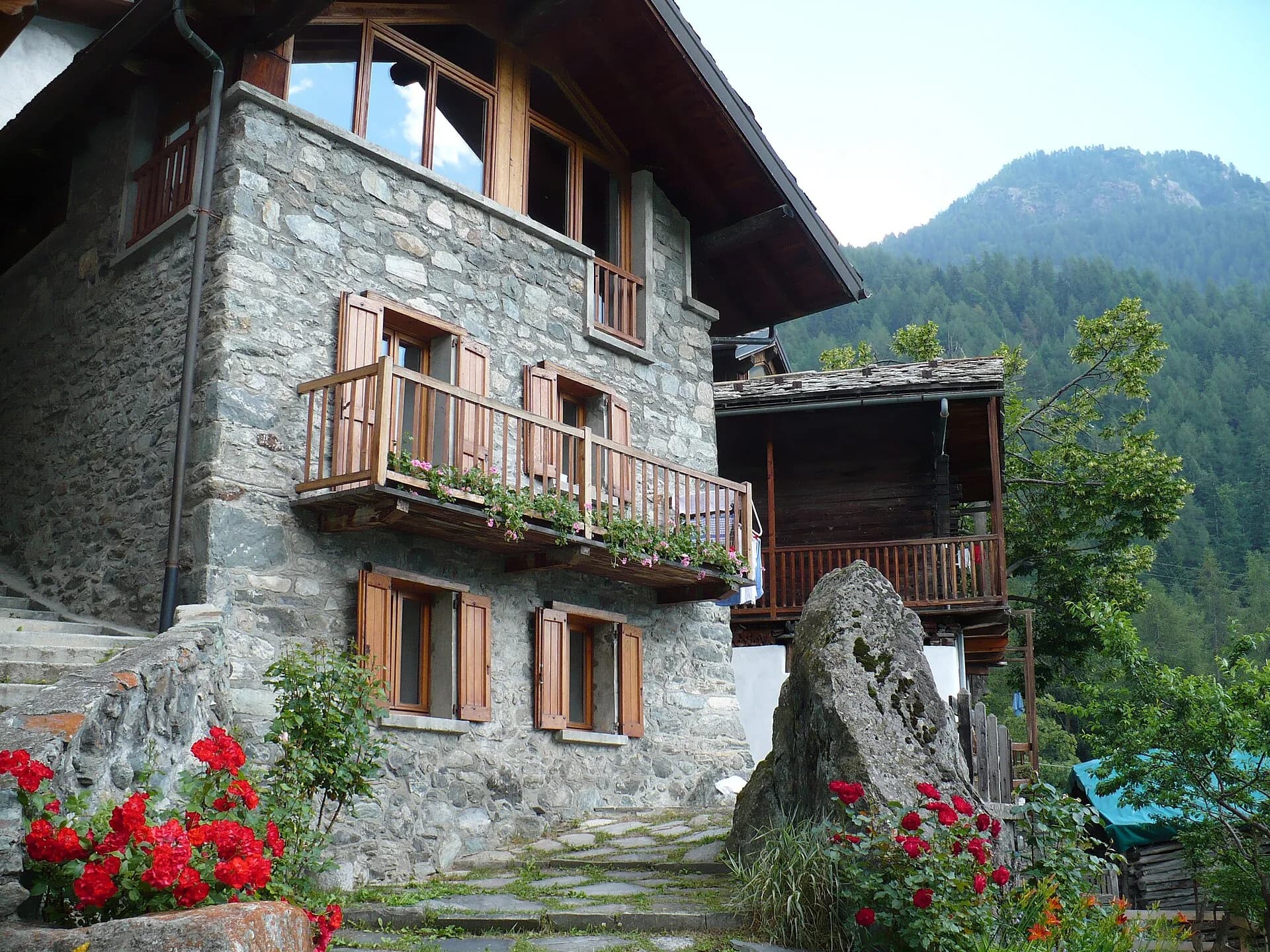
Valtournenche is the Italian-side Matterhorn valley: an iconic silhouette on every walk from the valley floor up to Breuil's glaciers. The landscape shifts from larch forest to alpine pasture and views onto the massif's north faces. The local community has deep roots in pastoralism and mountaineering, with historic huts such as Barmasse and Grand Tournalin.

Municipalities and villages

Valtournenche

The municipality that gives its name to the whole valley, Valtournenche stretches from the valley floor to Breuil-Cervinia. Romanesque churches, Walser hamlets and Matterhorn tradition define its identity.

Official website

Torgnon

A sunny village on a mid-slope terrace, Torgnon looks across the valley with open views of the Matterhorn and Monte Rosa. Mountain viticulture and rural tourism characterise this municipality in the Antey area.

Official website

Antey-Saint-André

Antey-Saint-André is the valley-floor municipality linking Valtournenche to Val d'Ayas. Its territory includes Val Saint-Barthélemy, a protected area known for flora and trails toward border cols.

Official website

Source: Regione Autonoma Valle d'Aosta — Dipartimento Turismo, Sport, Commercio e Trasporti
Lys Valley

Walser heart of Monte Rosa

Lys Valley

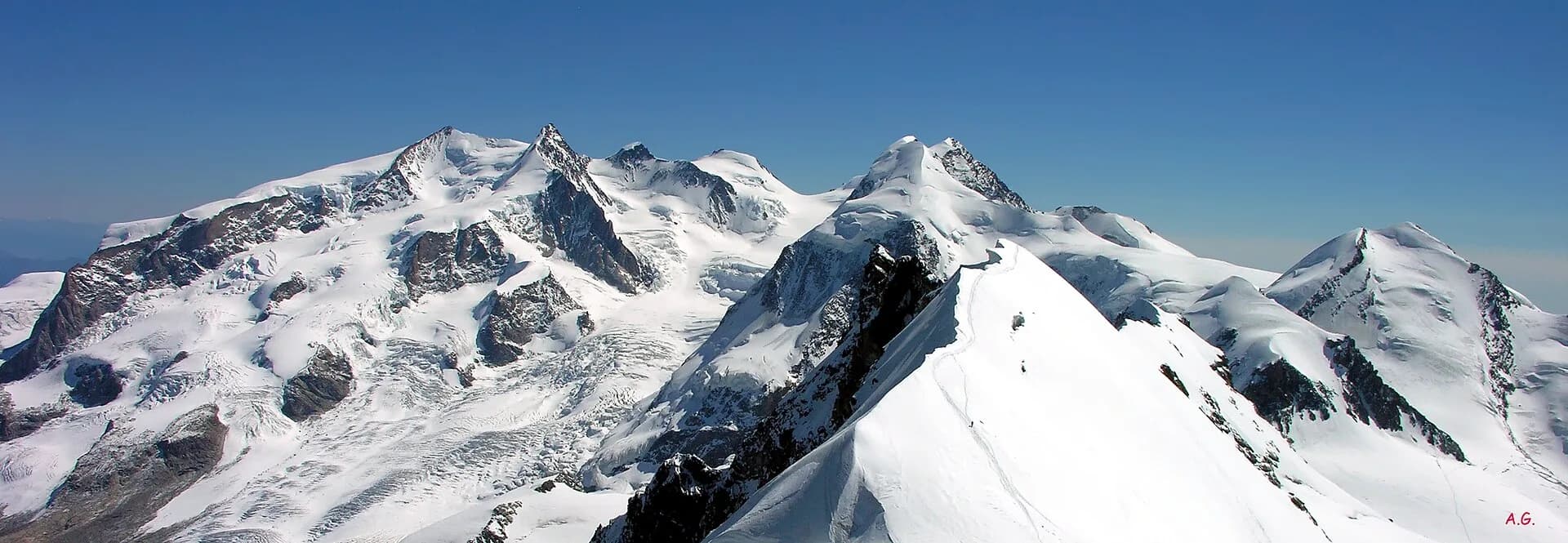
The Lys Valley is the Valdostan basin of Monte Rosa, where Walser culture — titsch language, timber-and-stone architecture, transhumance — remains alive. From Gressoney-Saint-Jean the valley climbs through glaciers, pastures and huts to Colle del Teodulo. DOP Fontina and alpine-dairy products are integral to the cultural landscape.

Municipalities and villages

Gressoney-Saint-Jean

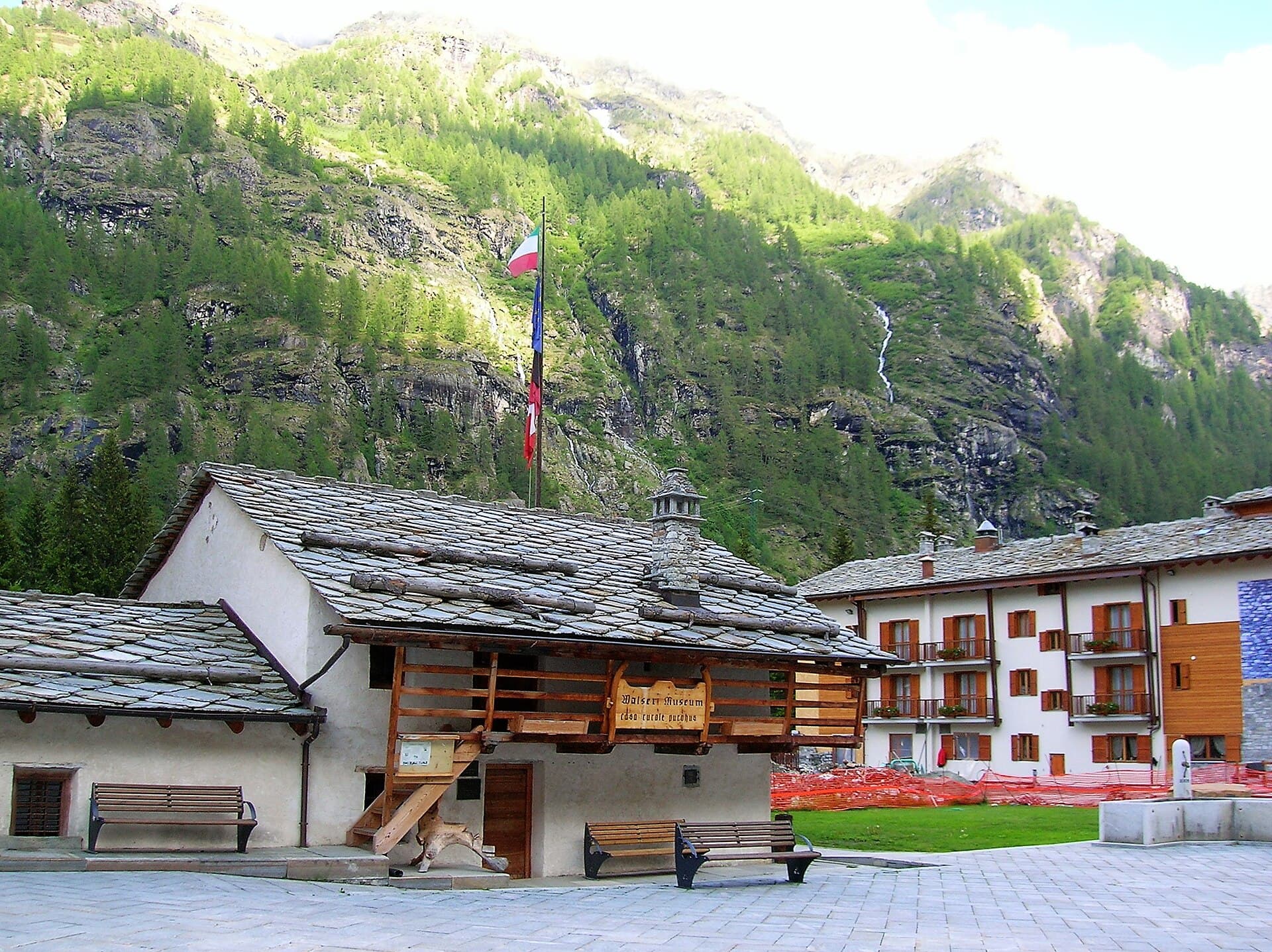
Walser capital of the valley, Gressoney-Saint-Jean hosts the Walser Museum and the Fontina house. The village is a starting point for the Monte Rosa Tour and climbs toward Colle del Teodulo.

Official website

Gressoney-La-Trinité

Higher up the valley, Gressoney-La-Trinité is the upper-valley municipality, with active alpine pastures and access to Lys glaciers. Walser architecture and trails to Rifugio Gabiet make it a key hiking hub.

Official website

Issime

Issime preserves one of the most authentic Walser communities in Valle d'Aosta, with the church of Saint-Gilles and linguistic traditions still in use. The village overlooks the Lys valley from a panoramic terrace.

Official website

Source: Regione Autonoma Valle d'Aosta — Dipartimento Turismo, Sport, Commercio e Trasporti
Ayas Valley

Between Monte Rosa and ancient passes

Ayas Valley

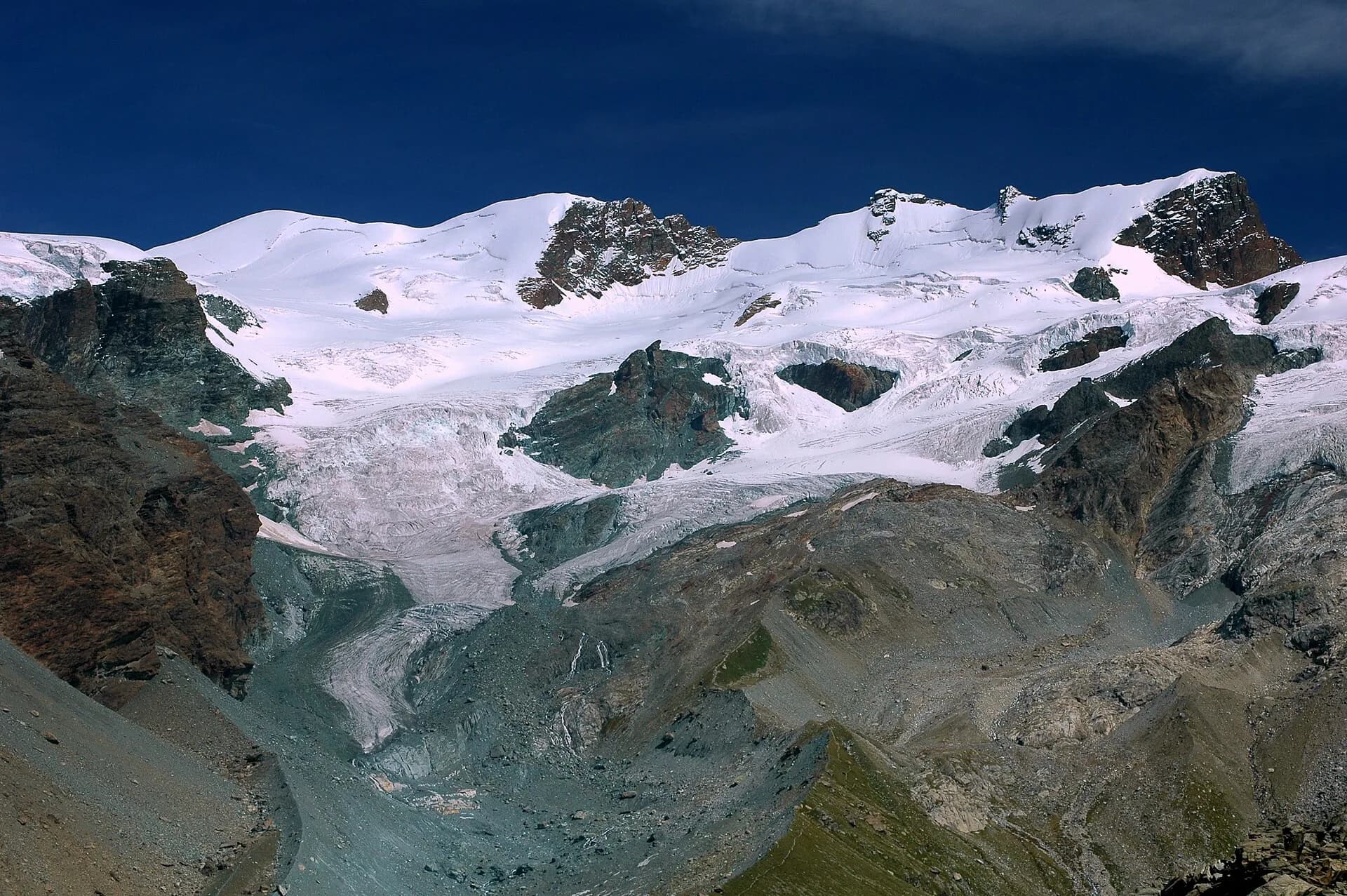
Val d'Ayas branches north from Brusson toward Champoluc and passes that once linked the valley to Valais. A landscape of larch, Walser chalets and panoramic ridges, it is crossed by Alta Via 1 and trails toward Col Pinter. The economy blends summer tourism, skiing and mountain dairy production.

Municipalities and villages

Ayas

Upper-valley municipality with hamlets such as Champoluc and Frachey, Ayas is a base for hikes toward Monte Rosa and Colle del Teodulo. Huts, ski runs and trails intertwine in a historic border territory.

Official website

Brusson

Brusson is the valley-floor municipality of Val d'Ayas, known for its reservoir lakes and copper-working heritage. Trails from here lead to Estoul and Col Pinter, a historic pass between Ayas and Gressoney.

Official website

Champoluc

A hamlet of Ayas and the upper valley's resort centre, Champoluc is a starting point for the Monte Rosa Tour and climbs toward Colle del Teodulo. Walser architecture and mountain huts define the landscape.

Official website

Source: Regione Autonoma Valle d'Aosta — Dipartimento Turismo, Sport, Commercio e Trasporti
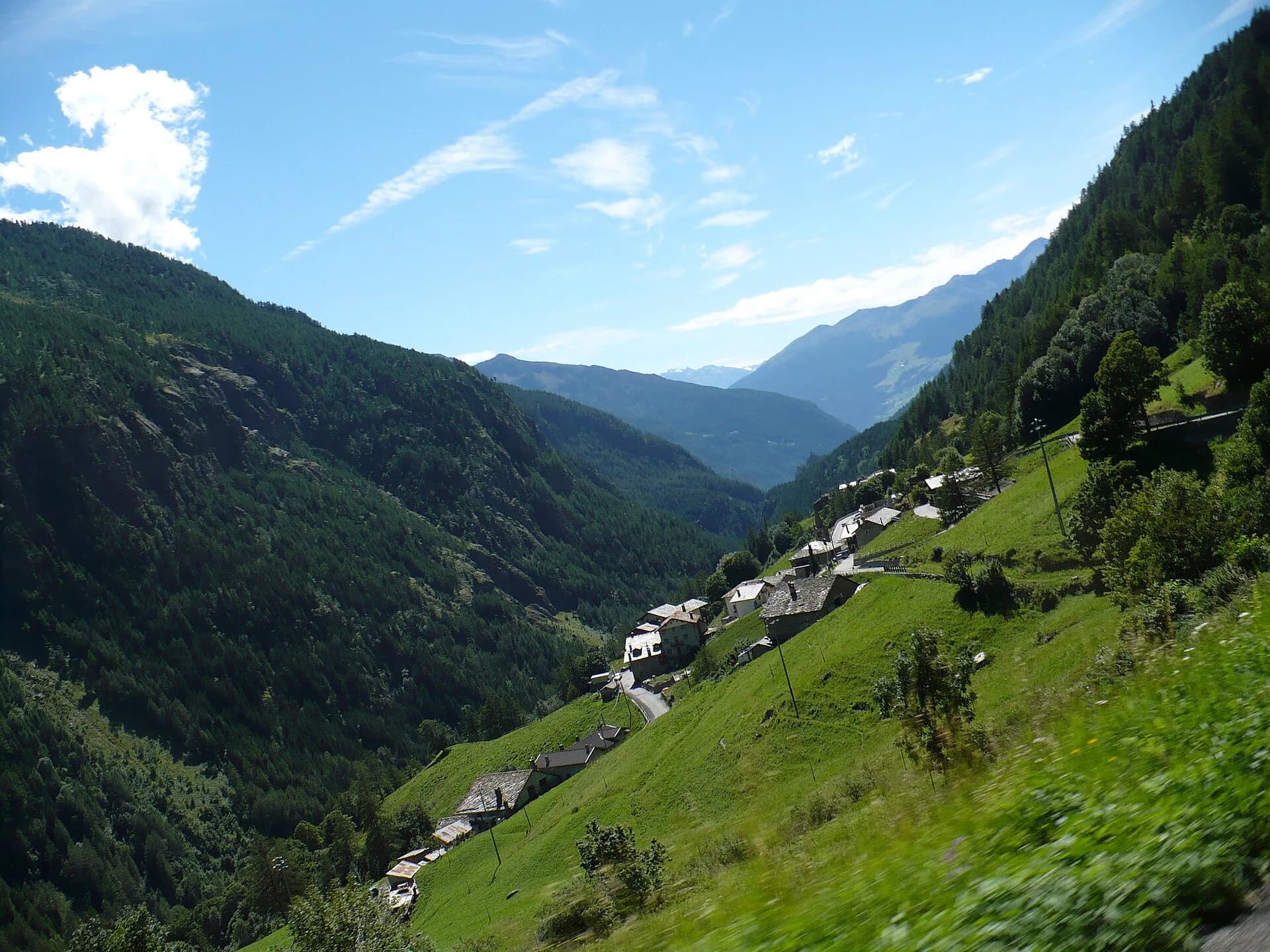
Valpelline

Upper valley of Gran Combin

Valpelline

Valpelline is the upper western Valle d'Aosta, dominated by Gran Combin and the By glacier. An austere landscape of gneiss and moraine, with villages like Ollomont and Oyace preserving Walser architecture. Alta Via 1 crosses the valley north to south, linking historic huts and alpine passes.

Municipalities and villages

Ollomont

Ollomont is the northernmost municipality of Valpelline, with Walser chalets and access to the Gran Combin Tour. The village is an Alta Via 1 stage and gateway to Rifugio Prarayer and Colle del Gran San Bernardo.

Official website

Oyace

Oyace sits on a sunny terrace with views of Gran Combin. The Walser village preserves dark-stone houses and trails toward Rifugio Cuney and Conca di By, heart of Valpelline mountaineering.

Official website

Bionaz

Bionaz is the valley-floor municipality of Valpelline, with hamlets such as Place-Moulin and the Buthier dam. From here you reach upper Valpelline and trails toward the By glacier.

Official website

Source: Regione Autonoma Valle d'Aosta — Dipartimento Turismo, Sport, Commercio e Trasporti
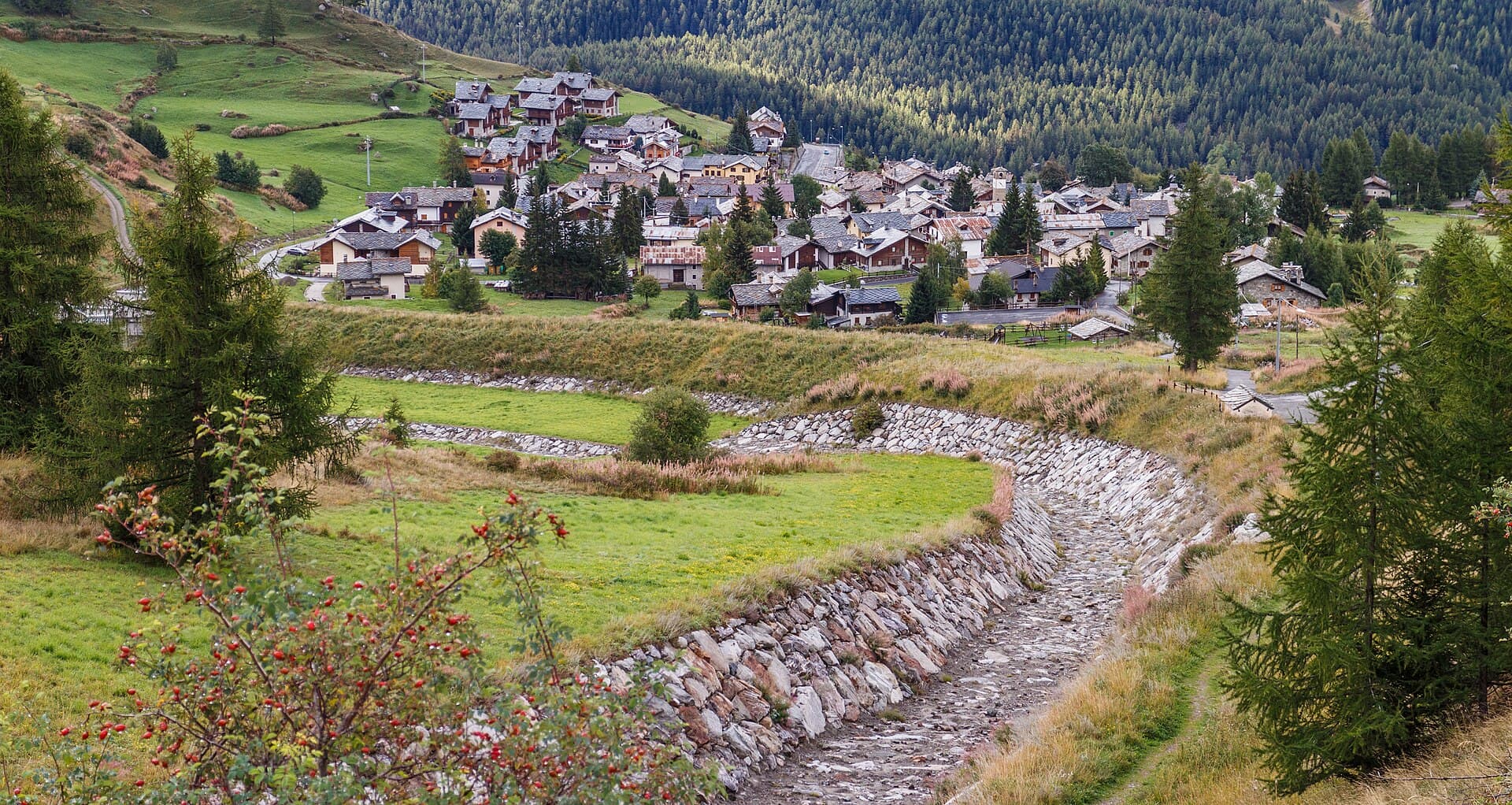
Cogne Valley

Realm of Gran Paradiso

Cogne Valley

Val di Cogne is the valley of Gran Paradiso National Park, a protected ecosystem where ibex and marmot are living symbols. Cogne, a mountain pearl, opens onto meadows, forests and trails toward the park's lakes — Djouan, Loie, Grauson. Alta Via 2 crosses the valley, linking huts and high-mountain landscapes.

Municipalities and villages

Cogne

Cogne is the valley capital and gateway to Gran Paradiso National Park. Its historic centre, Walser hamlets and trails toward Valnontey make it one of the region's most beloved hiking destinations.

Official website

Valnontey

Valnontey is Cogne's hamlet at the head of the valley, starting point for the Gran Paradiso Tour and hikes toward Lago Djouan. Active alpine pastures and protected wildlife characterise this corner of the park.

Official website

Source: Parco Nazionale del Gran Paradiso — Ente di gestione

Valsavarenche

Wild valley of Gran Paradiso

Valsavarenche

Valsavarenche is the wildest valley on the Valdostan side of Gran Paradiso: a gneiss-and-glacier cul-de-sac where ibex reign undisturbed. The village of Valsavarenche and hamlets of Eaux Rousses and Pont are bases for climbs to Gran Paradiso and Rifugio Vittorio Sella.

Municipalities and villages

Valsavarenche

The sole municipality of its namesake valley, Valsavarenche lives in symbiosis with Gran Paradiso National Park. The economy rests on hiking tourism, alpine pastures and the tradition of Paradiso mountaineering.

Official website

Eaux Rousses

A Valsavarenche hamlet at the valley mouth, Eaux Rousses is a crossroads between Cogne and Val di Rhêmes. Alpine pastures and trails toward Colle del Nivolet make it a hiking junction.

Official website

Source: Parco Nazionale del Gran Paradiso — Ente di gestione

Valley of dam and ice

Valgrisenche

Valgrisenche is a side valley of the Dora Baltea, known for its large hydroelectric dam and the glaciers that feed power production. The landscape alternates larch forest, alpine pasture and views of Becca di Viou. Less touristy than neighbouring valleys, it offers an authentic Valdostan mountain experience.

Municipalities and villages

Valgrisenche

The sole municipality of its namesake valley, Valgrisenche preserves pastoral traditions and woodcraft. The dam and trails toward the glaciers attract hikers and climbers seeking less crowded terrain.

Official website

Bonne

Bonne is Valgrisenche's main hamlet, situated just below the dam. Trails from here lead to the valley's alpine pastures and glaciers in an accessible high-mountain setting.

Official website

Source: Regione Autonoma Valle d'Aosta — Dipartimento Turismo, Sport, Commercio e Trasporti
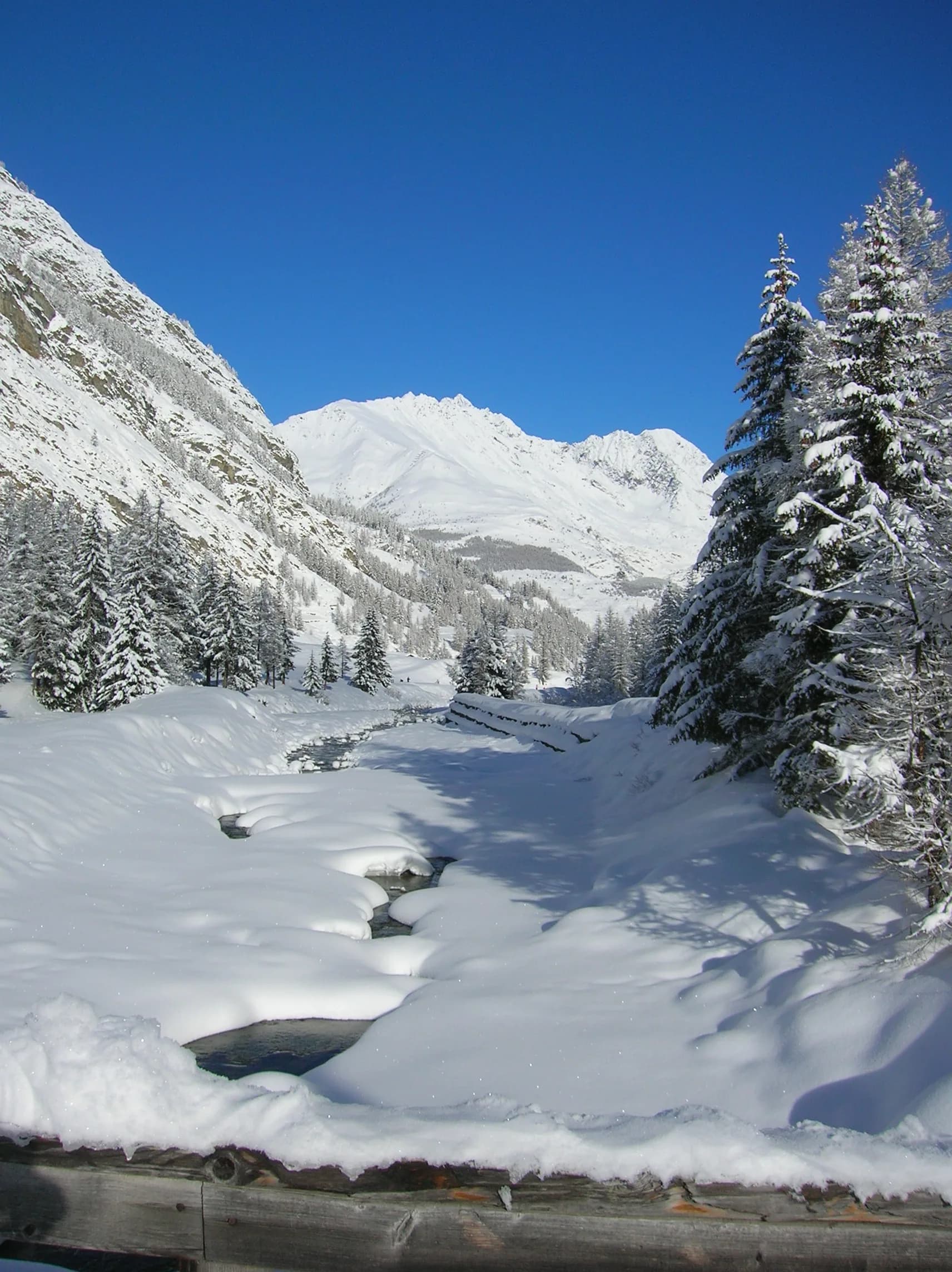
Valley of small paradises

Val di Rhêmes

Val di Rhêmes is a Gran Paradiso side valley, called the «valley of small paradises» for its landscape beauty and natural richness. Rhêmes-Notre-Dame and Rhêmes-Saint-Georges preserve traditional architecture and trails toward Colle del Nivolet. Alta Via 2 crosses the valley, linking huts and alpine pastures.

Municipalities and villages

Rhêmes-Notre-Dame

Rhêmes-Notre-Dame is the uppermost municipality of the valley, with access to Gran Paradiso National Park. Rifugio Chalet de l'Épée and trails toward Eaux Rousses make it a key hiking centre.

Official website

Rhêmes-Saint-Georges

Val di Rhêmes' valley-floor municipality, Rhêmes-Saint-Georges is the gateway to the valley. Romanesque churches and hamlets scattered along the road to Notre-Dame characterise the area.

Official website

Source: Parco Nazionale del Gran Paradiso — Ente di gestione

La Thuile

Italian border with Savoie

La Thuile

La Thuile is the border valley with France, crossed by Colle del Piccolo San Bernardo. A landscape of larch, glacial lakes — Rutor, Verney — and historic huts such as Deffeyes and Elisabetta. Alta Via 2 and the Rutor Tour cross a territory where border history and mountain life intertwine.

Municipalities and villages

La Thuile

La Thuile is both municipality and upper-valley resort, with access to Colle del Piccolo San Bernardo and the Rutor lakes. Skiing, hiking and border history define the village's identity.

Official website

Bussy-les-Dames

A La Thuile hamlet at the forest edge, Bussy-les-Dames is a starting point for trails toward Colle del Piccolo San Bernardo and the Rutor lakes.

Official website

Source: Regione Autonoma Valle d'Aosta — Dipartimento Turismo, Sport, Commercio e Trasporti
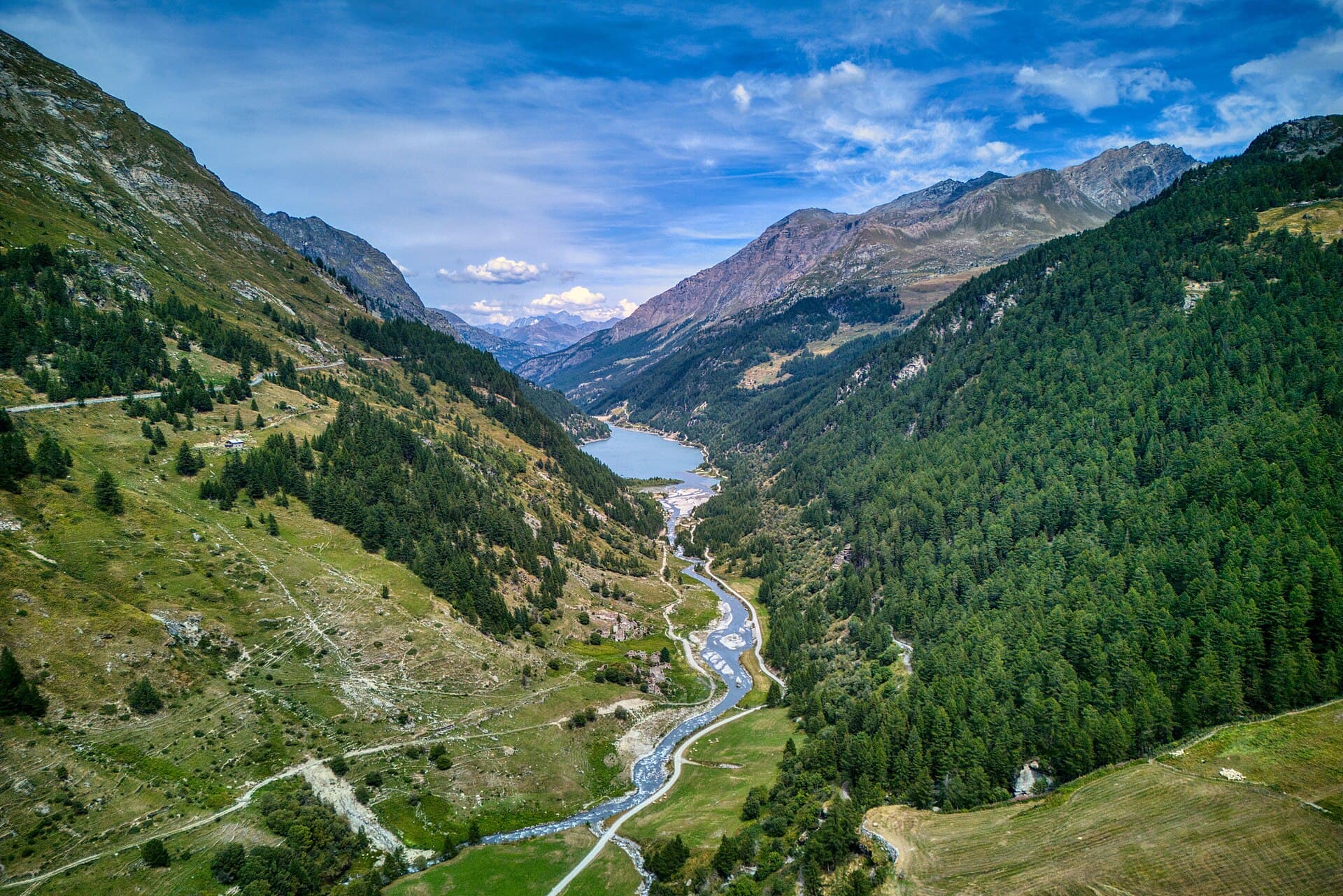
Lower Valley

Vineyards, chestnuts and Walser villages

Lower Valley

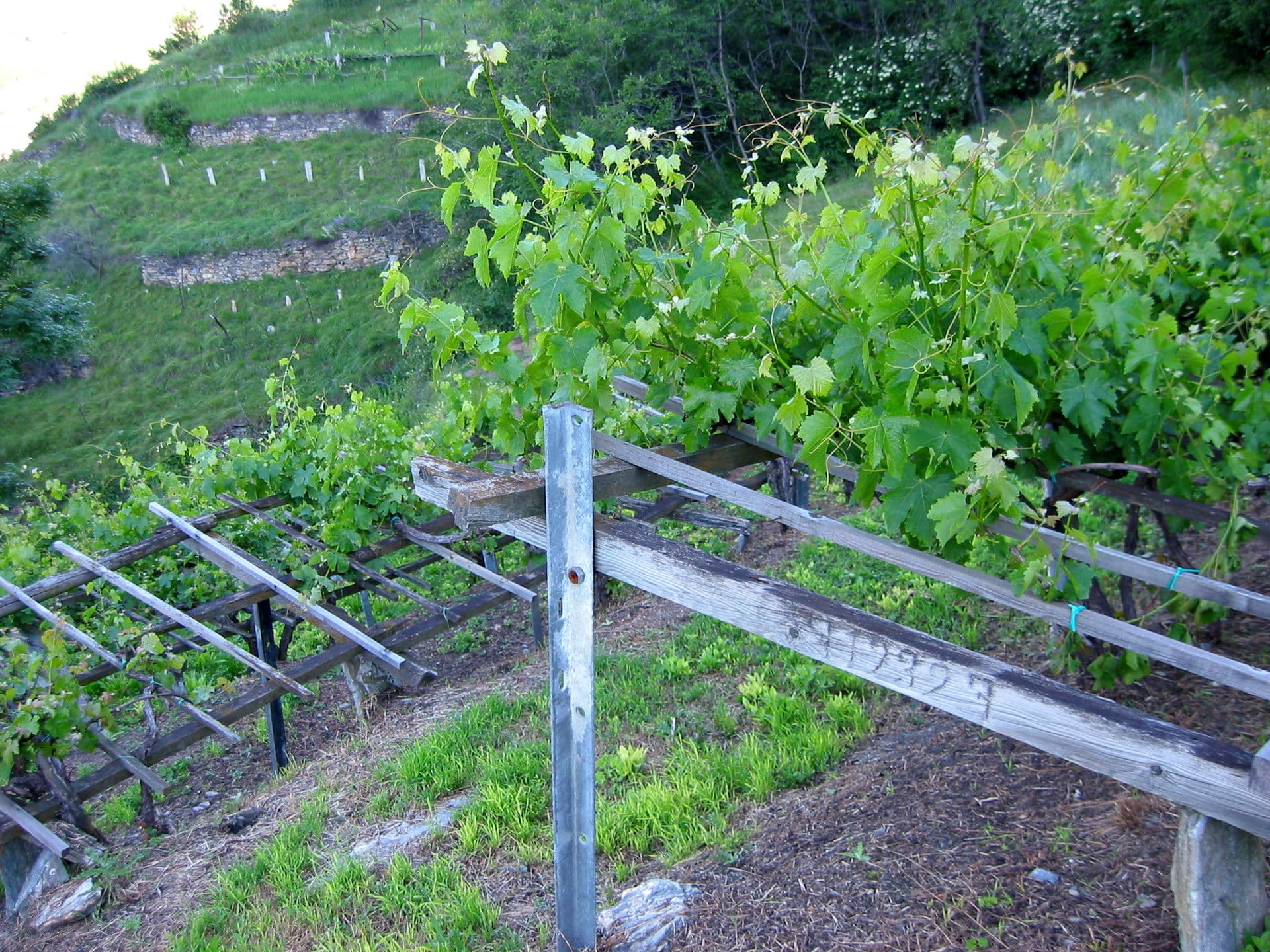
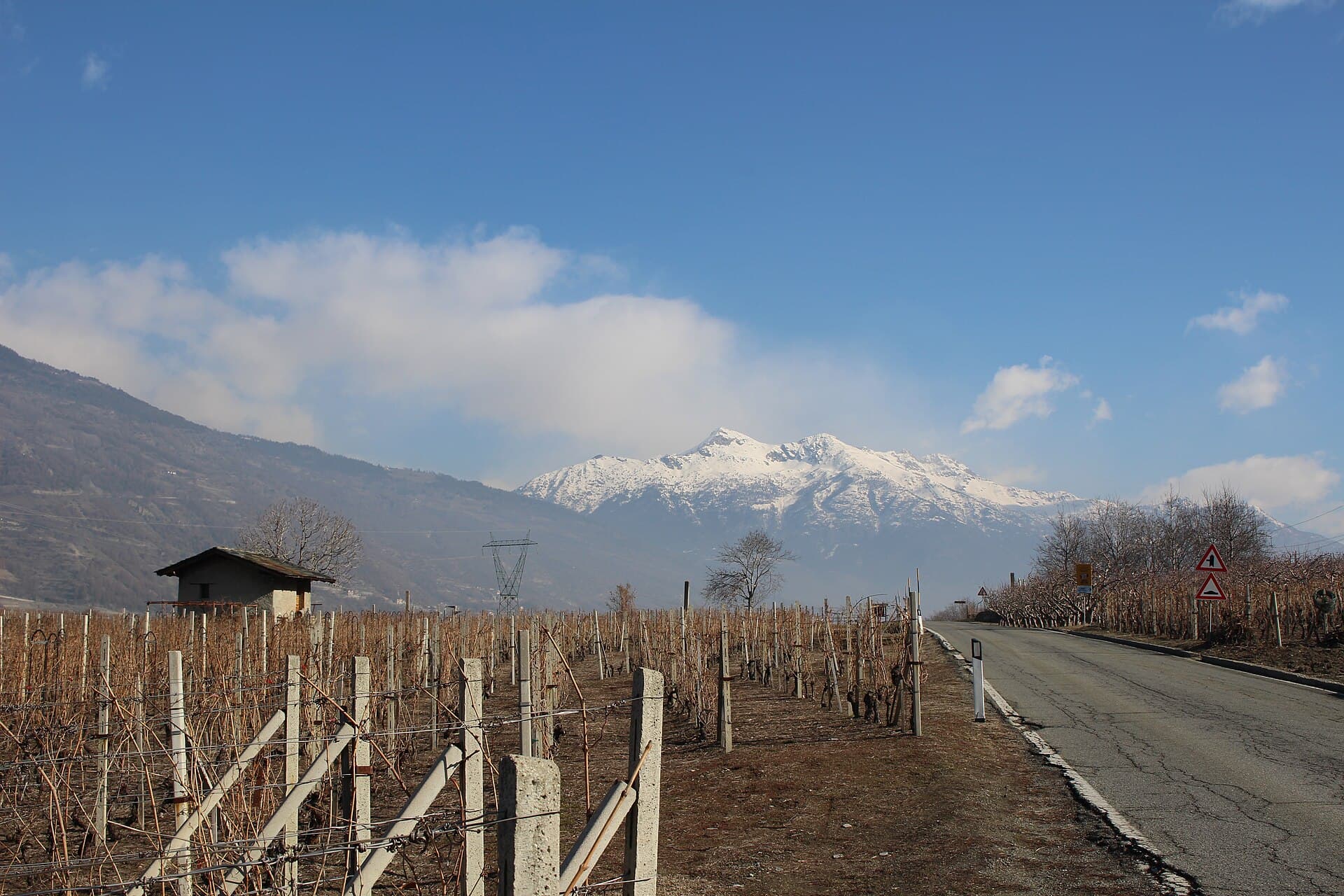
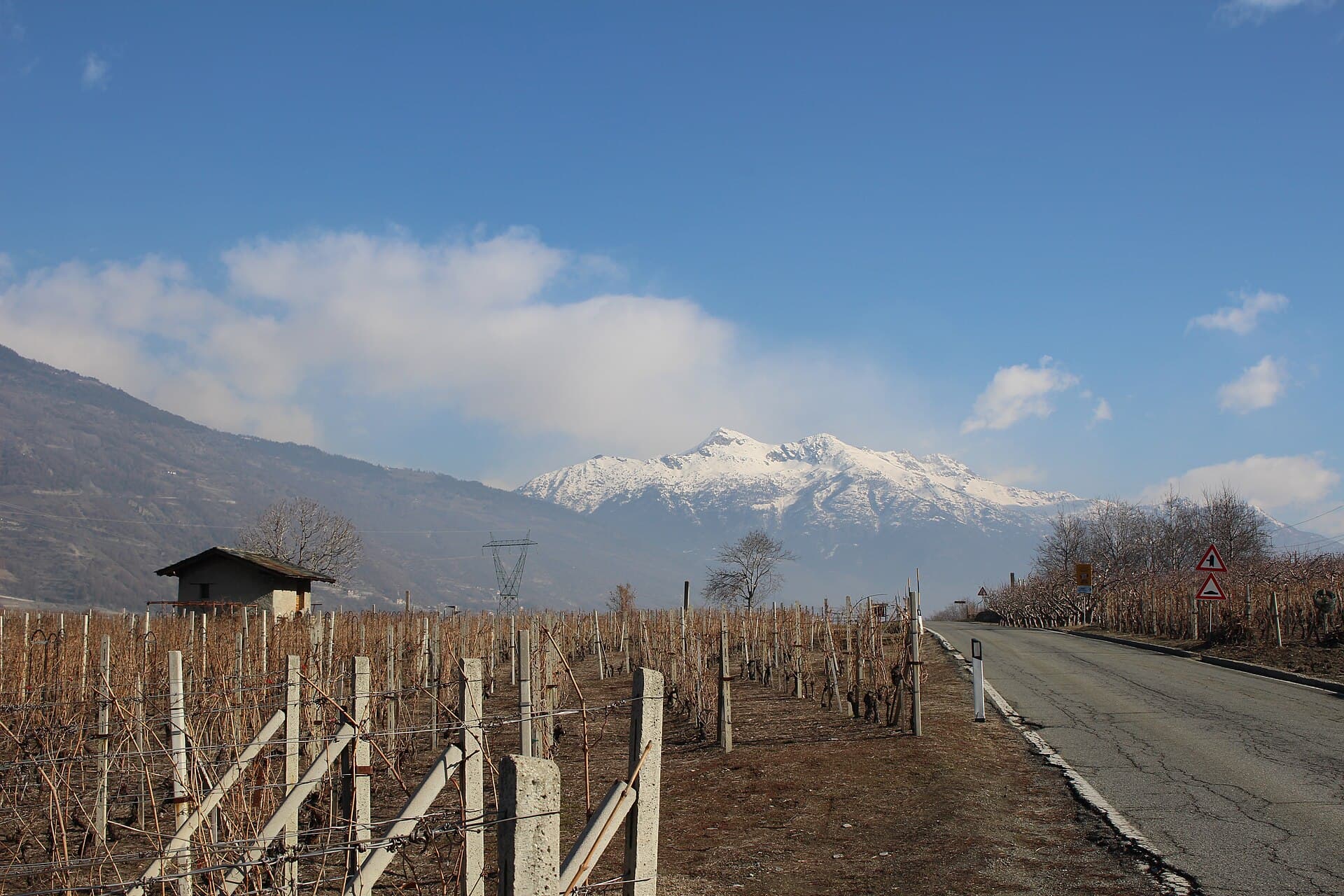
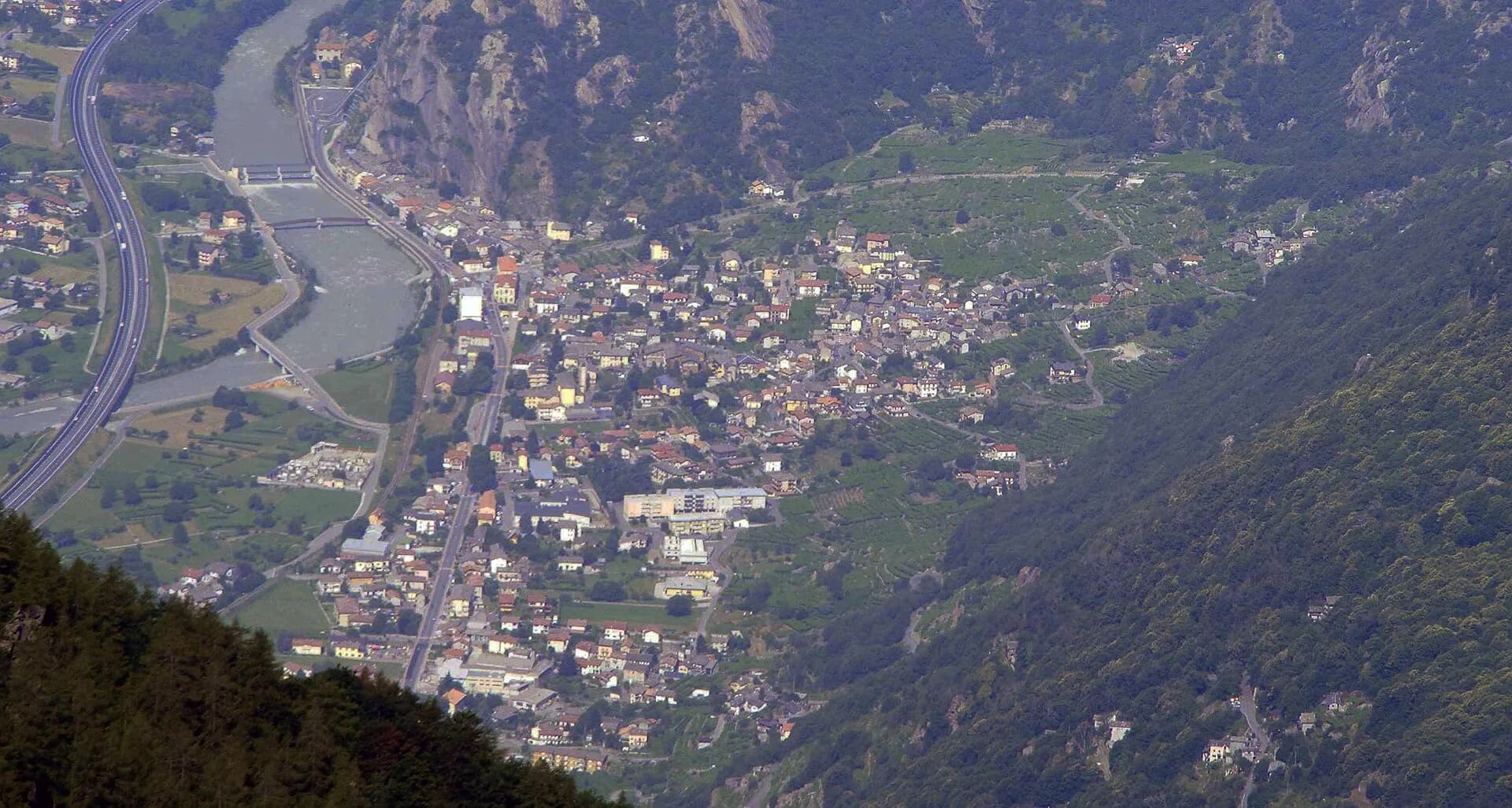
The Lower Valley is the Valdostan stretch of the Dora Baltea from the Piedmont border to Aosta: terraced vineyards, chestnut groves and Walser villages like Perloz and Donnas. A milder climate allows viticulture and valley-floor cultivation. Alta Via 1 and Alta Via 2 start or pass through here, linking the alpine plain to the upper valleys.

Municipalities and villages

Donnas

Donnas is famous for terraced vineyards and Picotendro DOC wine. Its medieval village and gateway to Alta Via 1 make it a cultural and gastronomic stop in the Lower Valley.

Official website

Pont-Saint-Martin

Pont-Saint-Martin marks the Piedmont–Valle d'Aosta border with its Roman bridge. The municipality is the regional gateway and a base for walks through terraced vineyards and chestnut woods.

Official website

Perloz

Perloz is a Walser village perched on Lower Valley terraces, with communal ovens and traditional architecture. An Alta Via 1 stage, it offers views over the valley floor and Donnas vineyards.

Official website

Aosta

Regional capital, Aosta preserves Roman walls, the Cryptoporticus and a lively cultural scene. The city is a crossroads to all side valleys and home to the Sant'Orso Fair.

Official website

Source: Regione Autonoma Valle d'Aosta — Dipartimento Turismo, Sport, Commercio e Trasporti
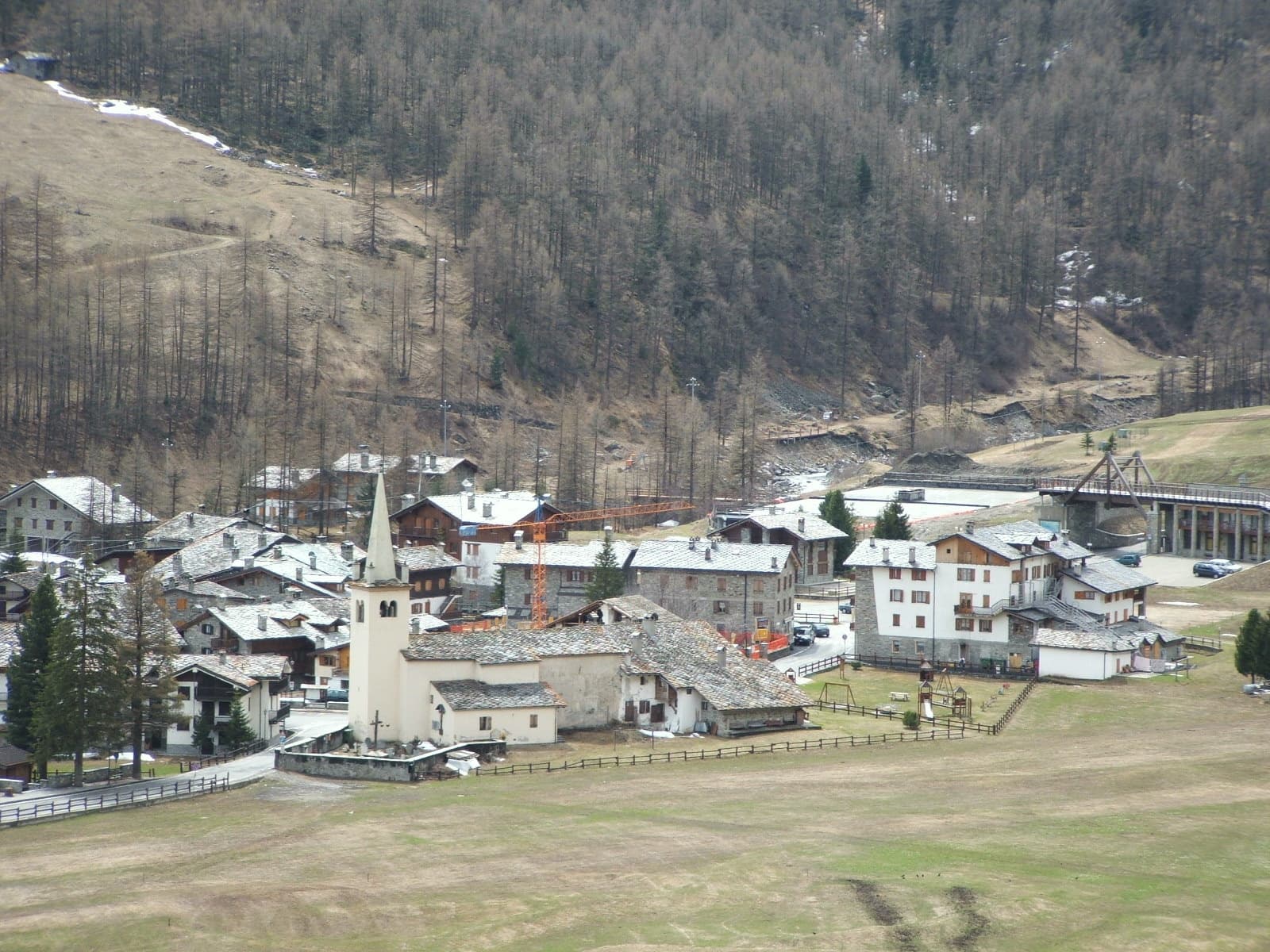
Great St Bernard Valley

Ancient alpine pass

Great St Bernard Valley

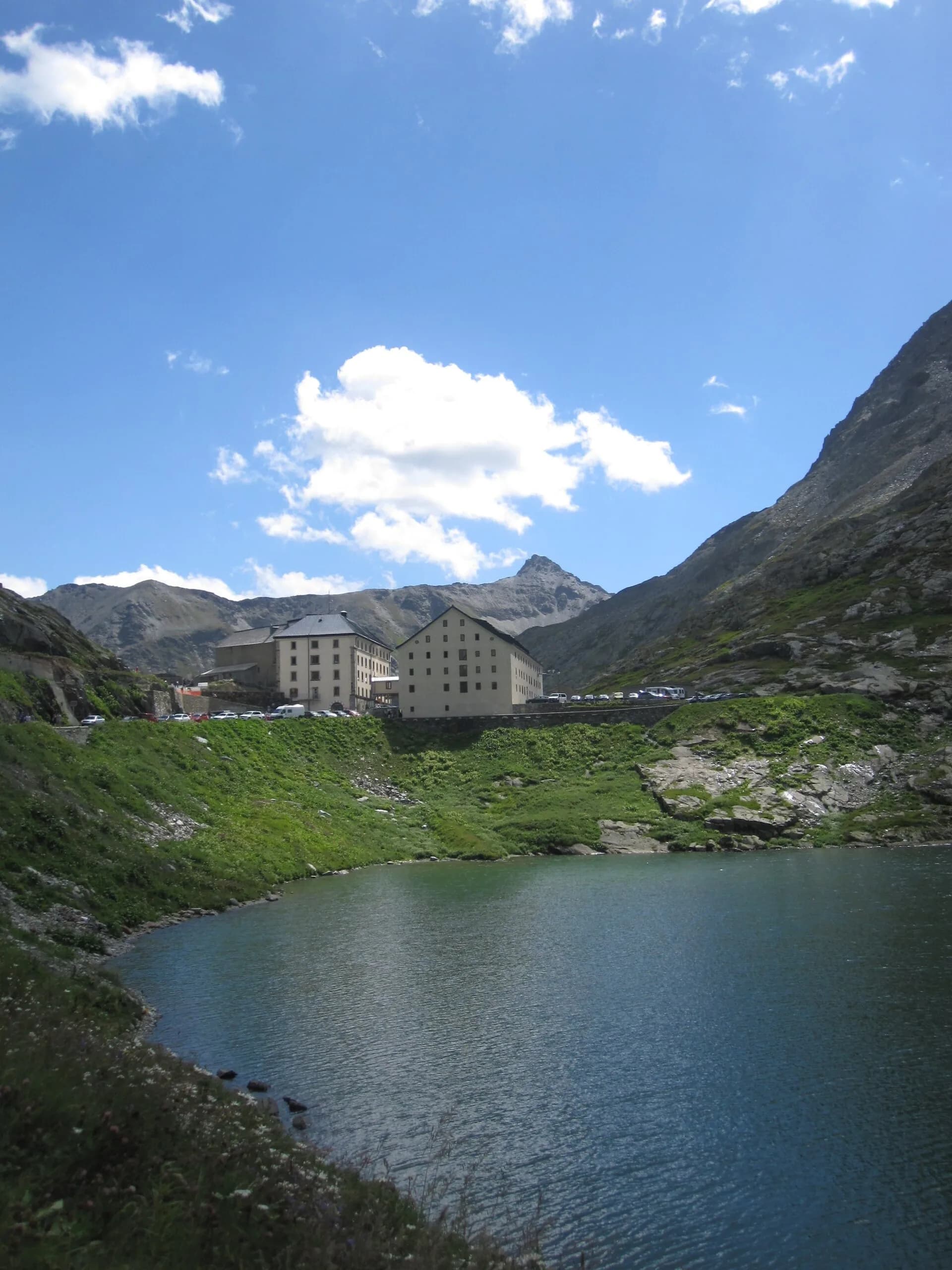
The Great St Bernard Valley links Valle d'Aosta to Switzerland through one of the Alps' oldest passes. Saint-Rhémy-en-Bosses and Etroubles preserve transit traditions, goldsmithing and DOP Jambon de Bosses production. Alta Via 1 crosses the valley toward Rifugio Frassati and Colle del Gran San Bernardo.

Municipalities and villages

Saint-Rhémy-en-Bosses

Saint-Rhémy-en-Bosses is the municipality of DOP Jambon de Bosses and the historic hospitality of Great St Bernard. Alpine pastures, huts and trails toward the pass make it a hiking and gastronomic crossroads.

Official website

Etroubles

Etroubles is a valley-floor village with an open-air museum and goldsmithing tradition. From here you climb toward Saint-Rhémy and Colle del Gran San Bernardo along the ancient pass route.

Official website

Source: Regione Autonoma Valle d'Aosta — Dipartimento Turismo, Sport, Commercio e Trasporti
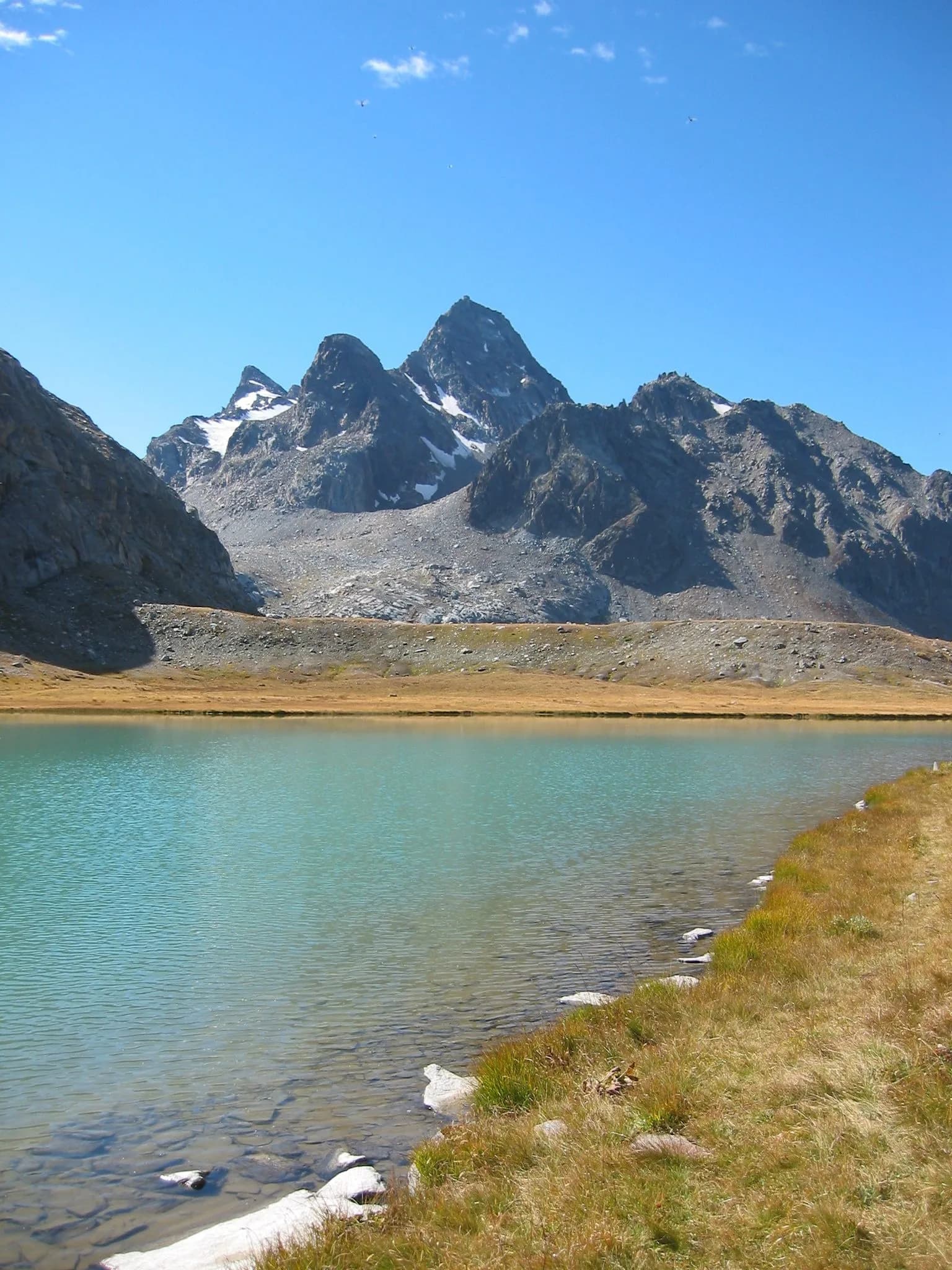
Champorcher

Green valley of the Lower Valley

Champorcher

Champorcher is a green, wooded side valley of the Lower Valley, climbing toward Colle di Champorcher and Crest Damon. Less known than the main valleys, it offers quiet trails, huts such as Dondena and an authentic mountain atmosphere. Alta Via 2 ends its Valdostan route here.

Municipalities and villages

Champorcher

Champorcher is the sole municipality of its namesake valley, with hamlets such as Chardonney and Mollere. Skiing, hiking and dairy production characterise this corner of the Lower Valley.

Official website

Dondena

Dondena is Champorcher's highest hamlet, base for Rifugio Dondena and climbs toward Crest Damon. Alpine pastures and larch forest define the landscape.

Official website

Source: Regione Autonoma Valle d'Aosta — Dipartimento Turismo, Sport, Commercio e Trasporti
Traditions

Traditions

Carnivals, costumes, music and devotion — the living cultural roots of Aosta Valley

Traditions

Traditions and customs

Costumes, patronal festivals, music and crafts: the cultural expressions that define Valdostan identity.

Walser culture and titsch language

The Walser are a Swiss-German community that colonised Monte Rosa and Great St Bernard valleys from the 13th century onward. Titsch — an Upper German variant still spoken in Gressoney, Issime and Valpelline — coexists with Valdostan French. Timber-and-stone architecture, transhumance and woodcraft testify to an identity that the Fondazione Valle d'Aosta and local museums document and protect.

Fontina Fair

The Fontina Fair, organised by the Fontina Producers Consortium, celebrates Valle d'Aosta's emblematic DOP cheese each year. In Gressoney-Saint-Jean and other dairy municipalities, producers and artisans display aged wheels, processing demonstrations and tastings. The event combines gastronomy, music and pastoral traditions, highlighting the chain from alpine pasture to table.

DOP Jambon de Bosses
Folklore

DOP Jambon de Bosses

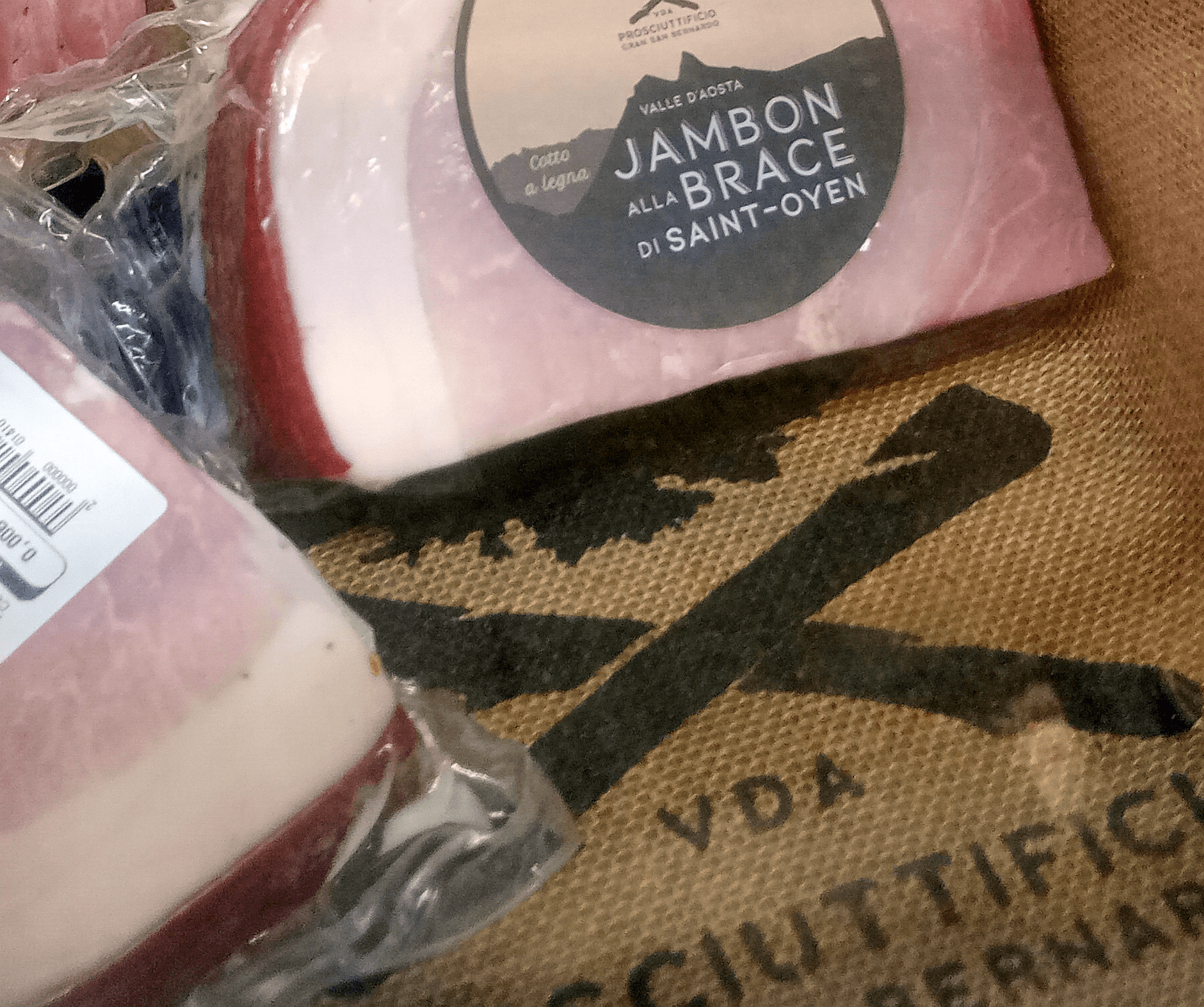
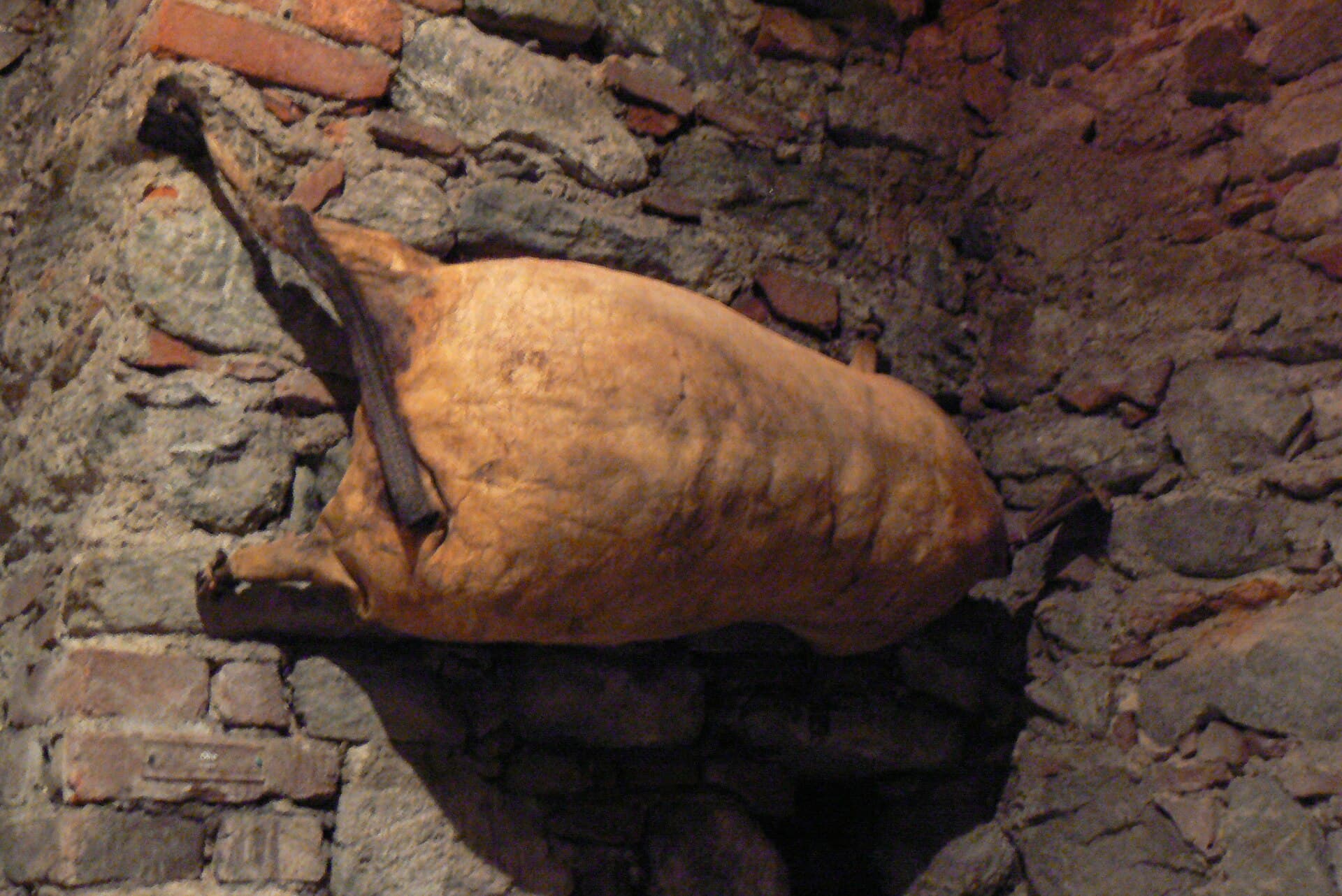
Jambon de Bosses is a high-altitude cured ham aged in Saint-Rhémy-en-Bosses, along the Great St Bernard Valley. The tradition stems from the pass hospice's hospitality: travellers left pork legs to cure before crossing the Alps. Today the Consortium protects a European-recognised DOP product, symbol of Valdostan food craftsmanship.

Valdostan Carnival
Festivals

Valdostan Carnival

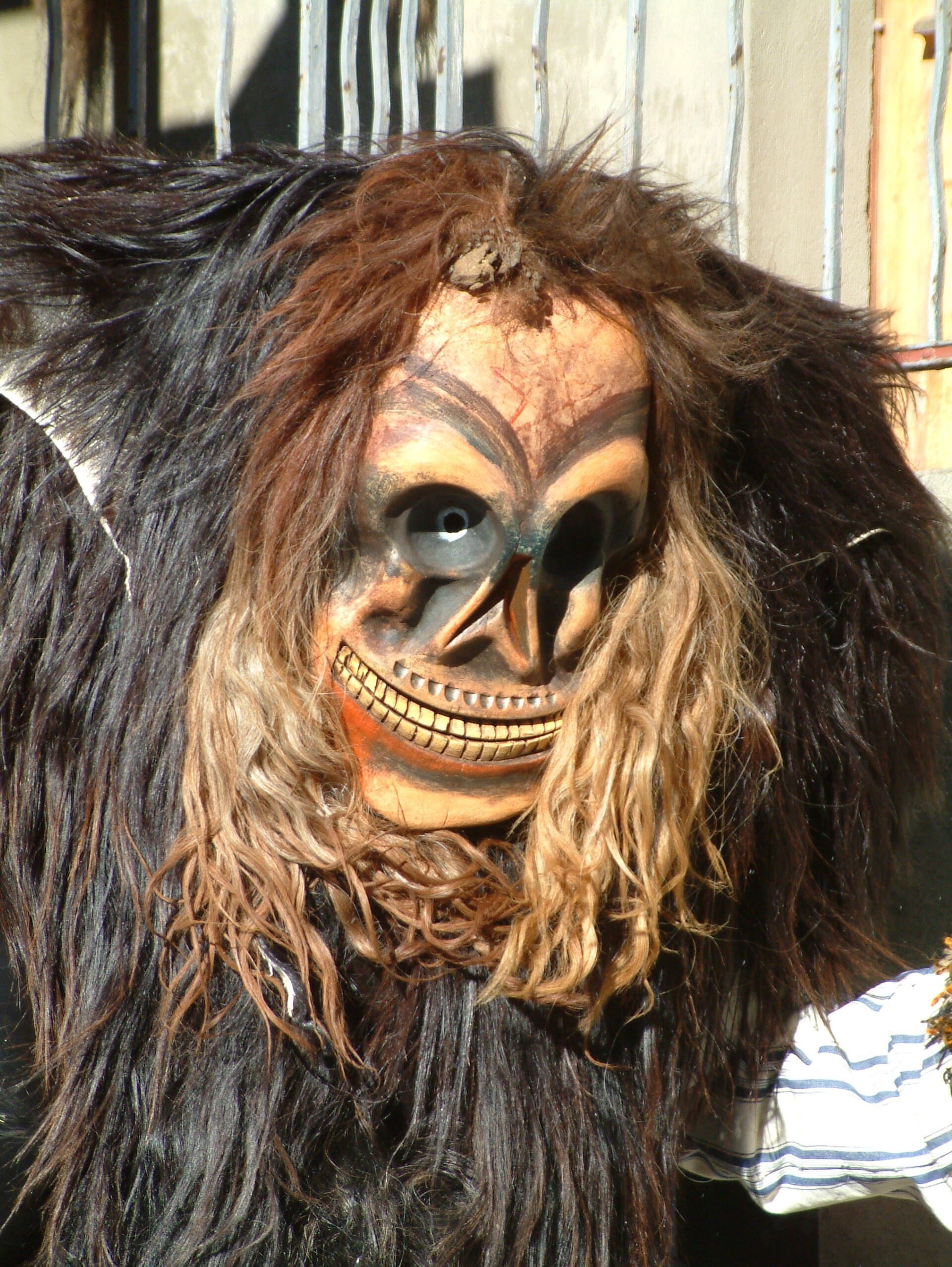
Valdostan Carnival has roots in peasant rites to drive out winter and ensure fertile fields. Wooden masks, wool costumes and village festivals animate municipalities such as Verrès, Pont-Saint-Martin and Val d'Ayas. Each valley preserves local variants — grotesque figures, parodies, dances — that the Region documents as intangible heritage to pass on.

Oropa pilgrimage
Devotion

Oropa pilgrimage

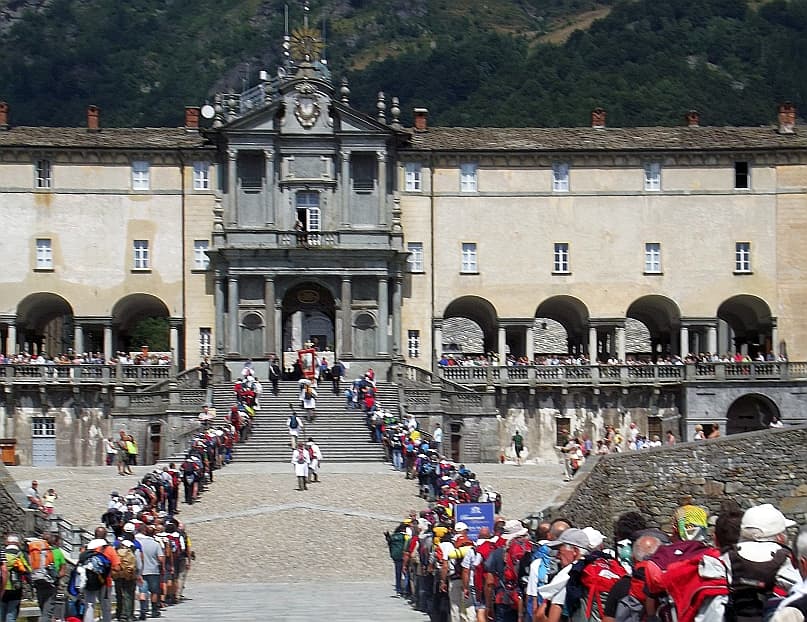
The Oropa pilgrimage is one of the Lower Valley's oldest devotions: each year faithful from Fontainemore and neighbouring valleys walk the route to the Sanctuary of Our Lady of Oropa in Piedmont. Brass bands, banners and valley communities animate a pilgrimage that weaves together faith, walking and shared memory between Aosta Valley and Piedmont.

Coumba freida
Festivals

Coumba freida

Coumba freida — «cold valley» in patois — is the historic carnival of Saint-Rhémy-en-Bosses and the Great St Bernard Valley. The «landzette», masked figures in wool garments and cowbells, parade through village streets in a rite evoking winter's passage. Recognised by the Region as a culturally significant event, it draws visitors from across the valley.

Folk music and fifres
Music

Folk music and fifres

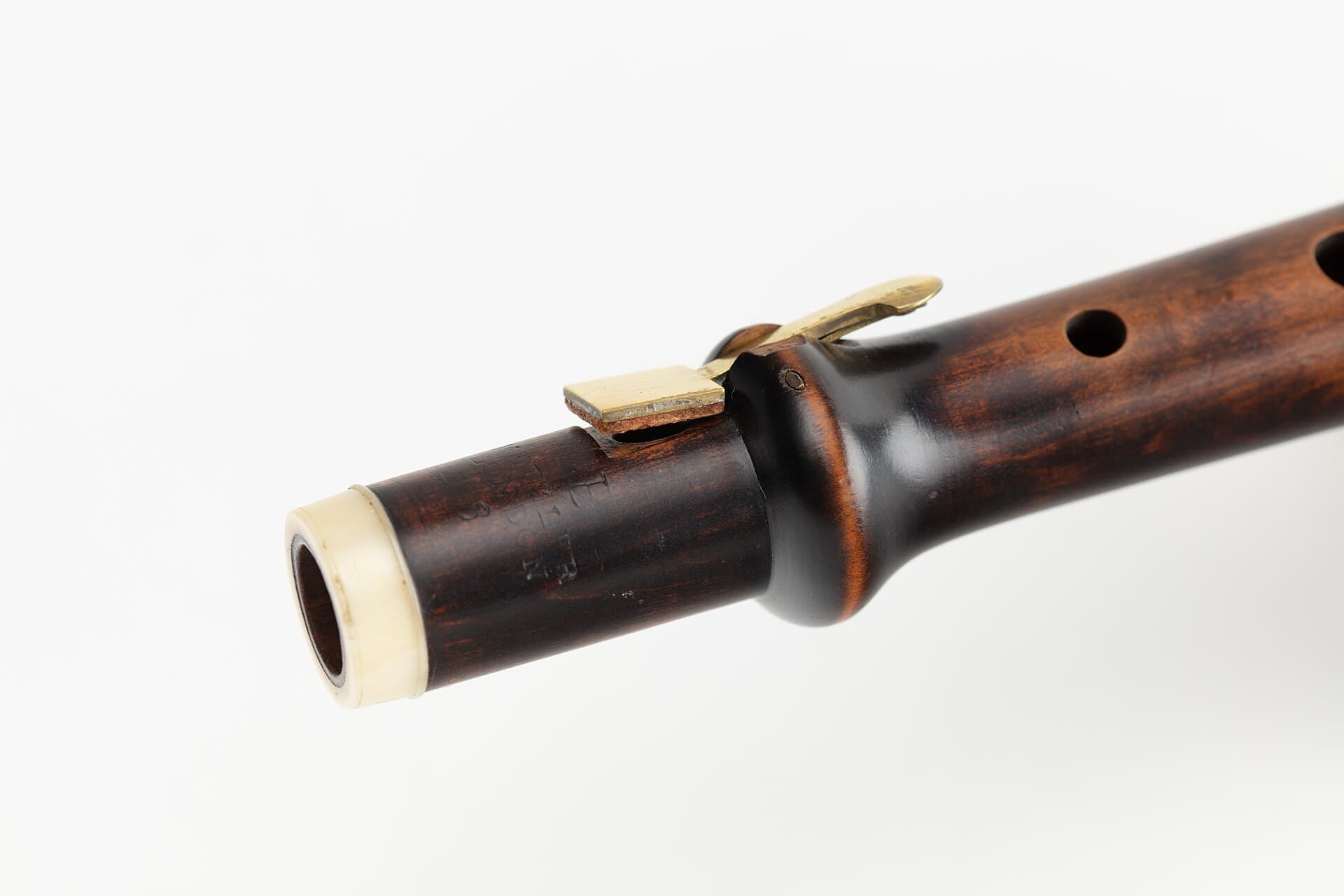
Fifres — traditional wooden flutes — and bands of musicians animate festivals, processions and village feasts across Valle d'Aosta. Valdostan folk music blends Walser, Piedmontese and Savoyard influences, with repertoires passed down orally through generations. The Fondazione Valle d'Aosta and traditional music schools protect this sonic heritage.

Traditional Valdostan costumes
Costumes

Traditional Valdostan costumes

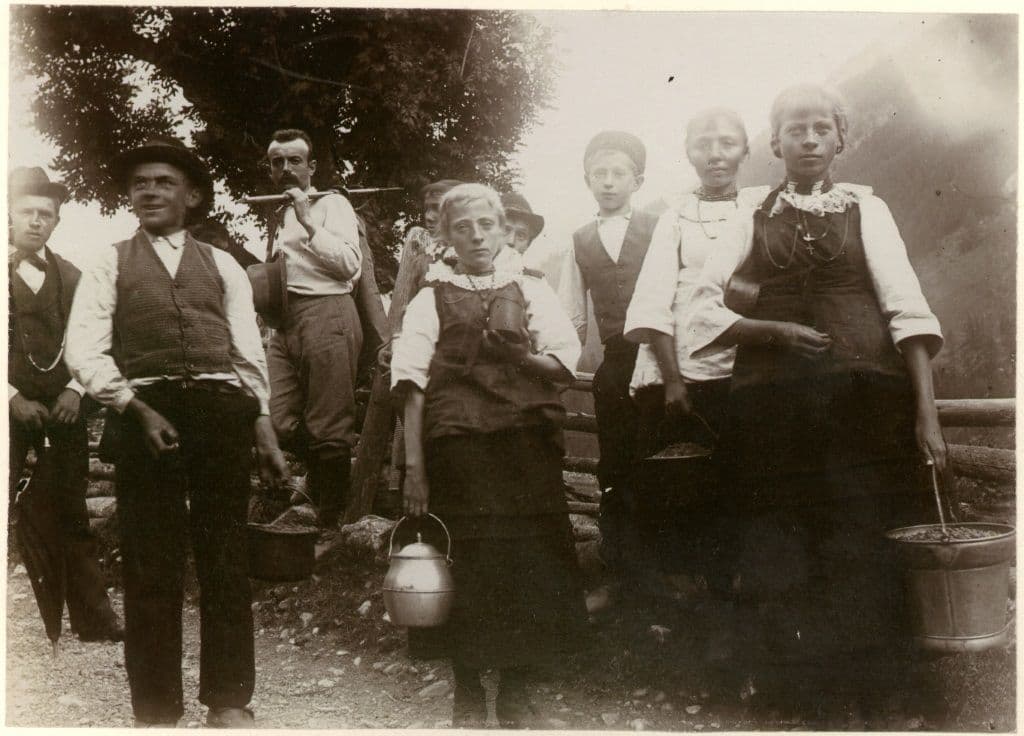
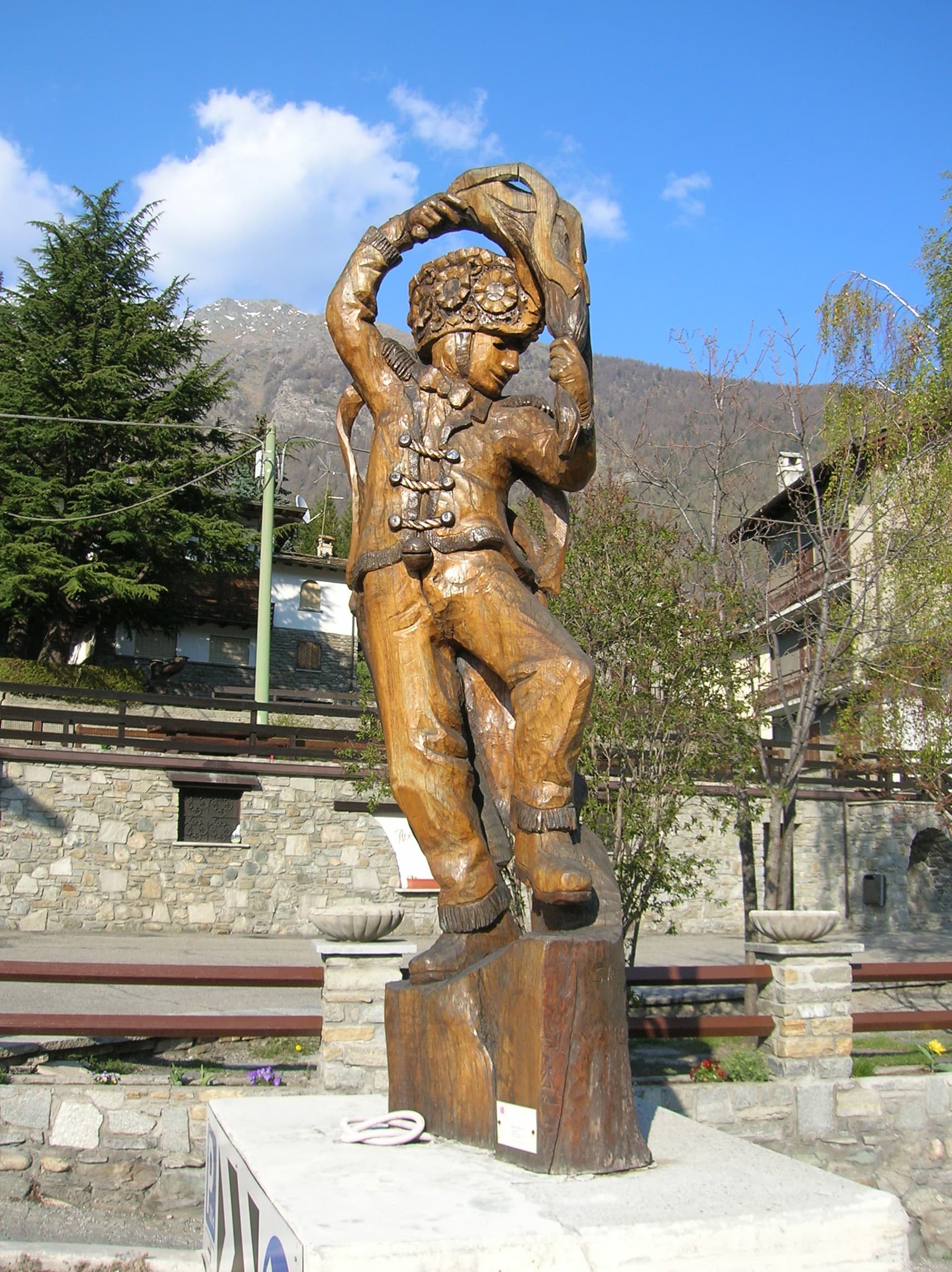
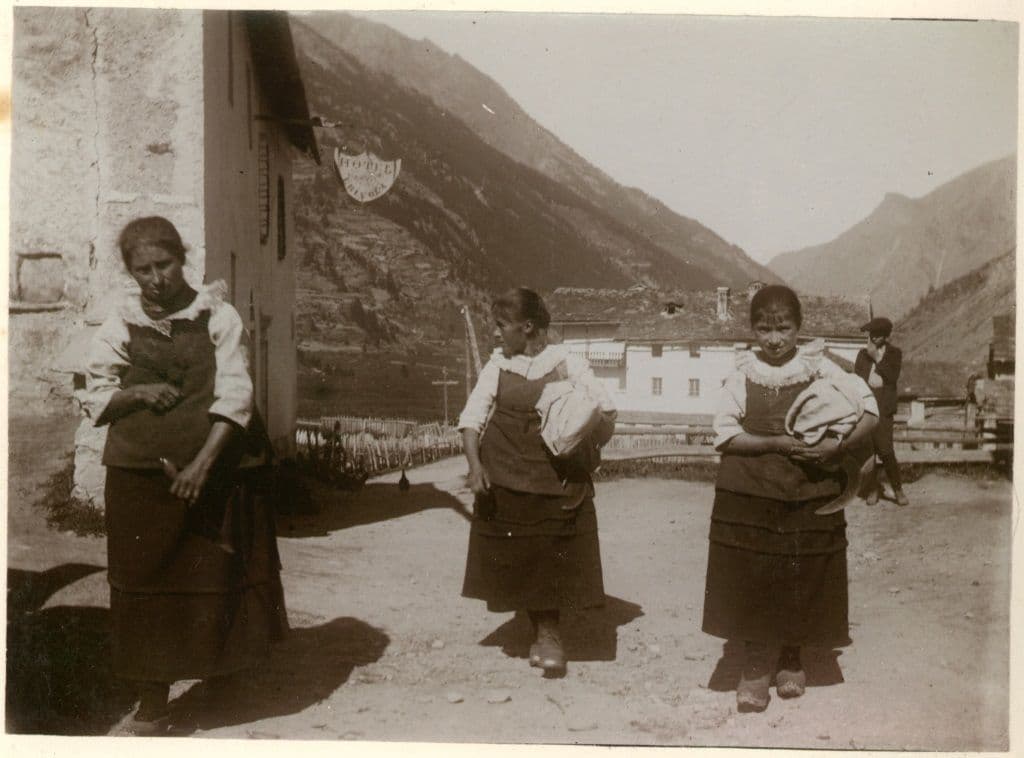
Traditional Valdostan costumes vary by valley: wool and linen garments, embroidered waistcoats, headwear and accessories that identify communities and trades. In Gressoney, Issime and Valpelline Walser costumes stand out for cut and decoration. Folk groups and ethnographic museums preserve and present these garments at festivals and cultural events.

Alpine transhumance
Folklore

Alpine transhumance

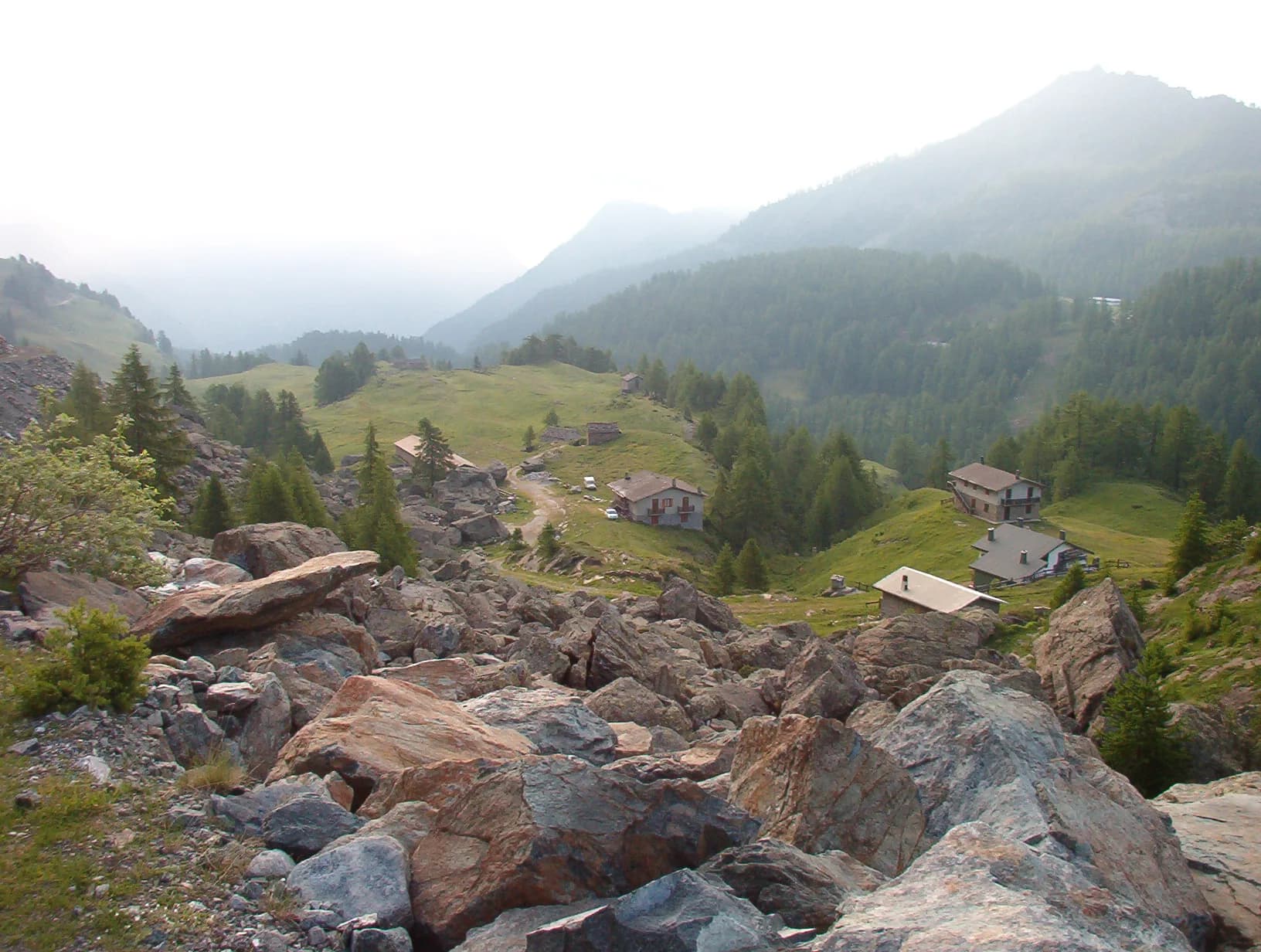
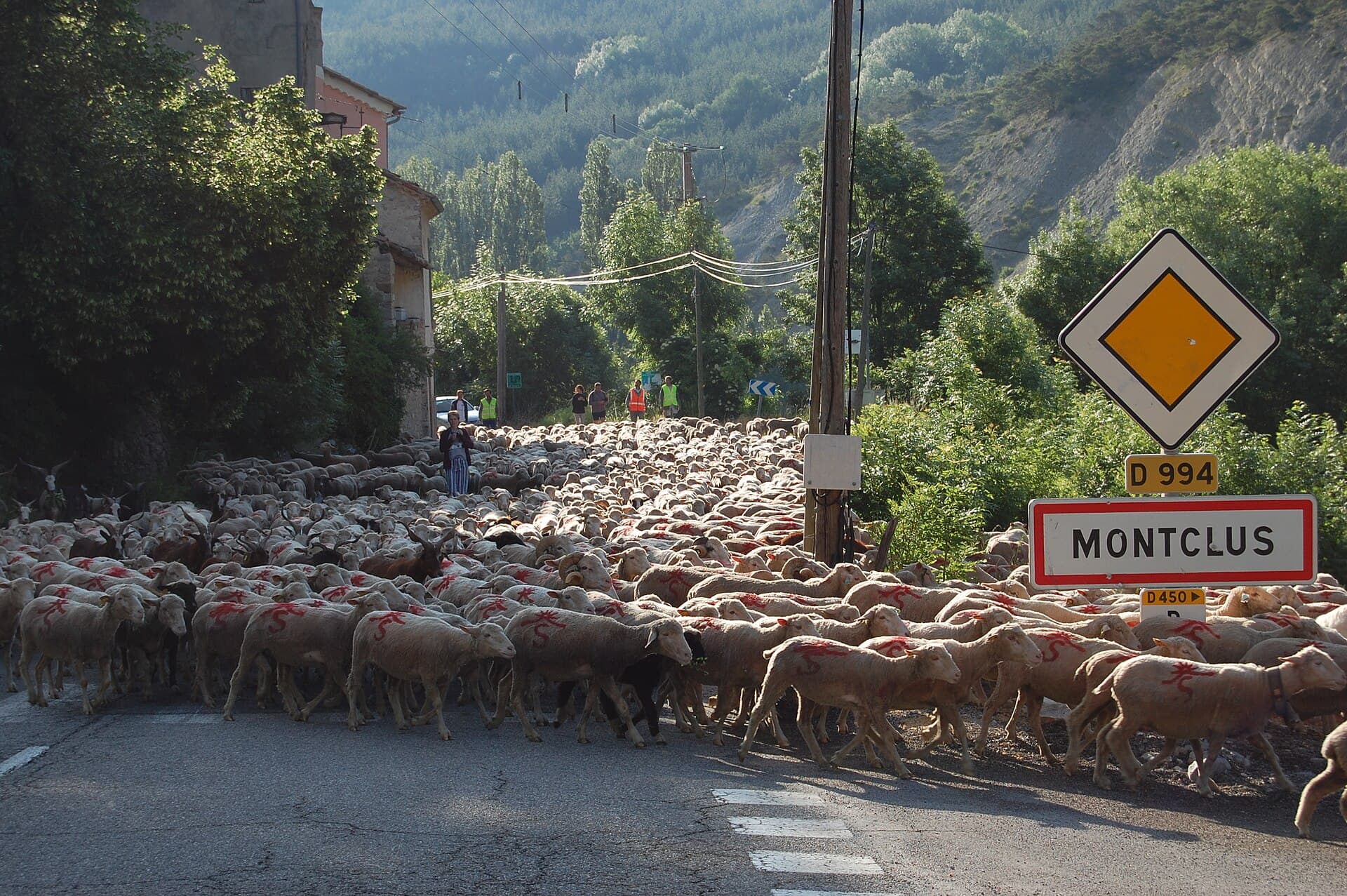
Transhumance — the seasonal movement of herds between valley floor and alpine pastures — is still practised in Monte Rosa, Gran Paradiso and Valpelline valleys. In spring and autumn, shepherds and cattle follow ancient trails; on alpine pastures Fontina, butter and mountain cheeses are made. An ancient pastoral economy that defines Valdostan landscape and identity.

Sant'Orso Fair
Festivals

Sant'Orso Fair

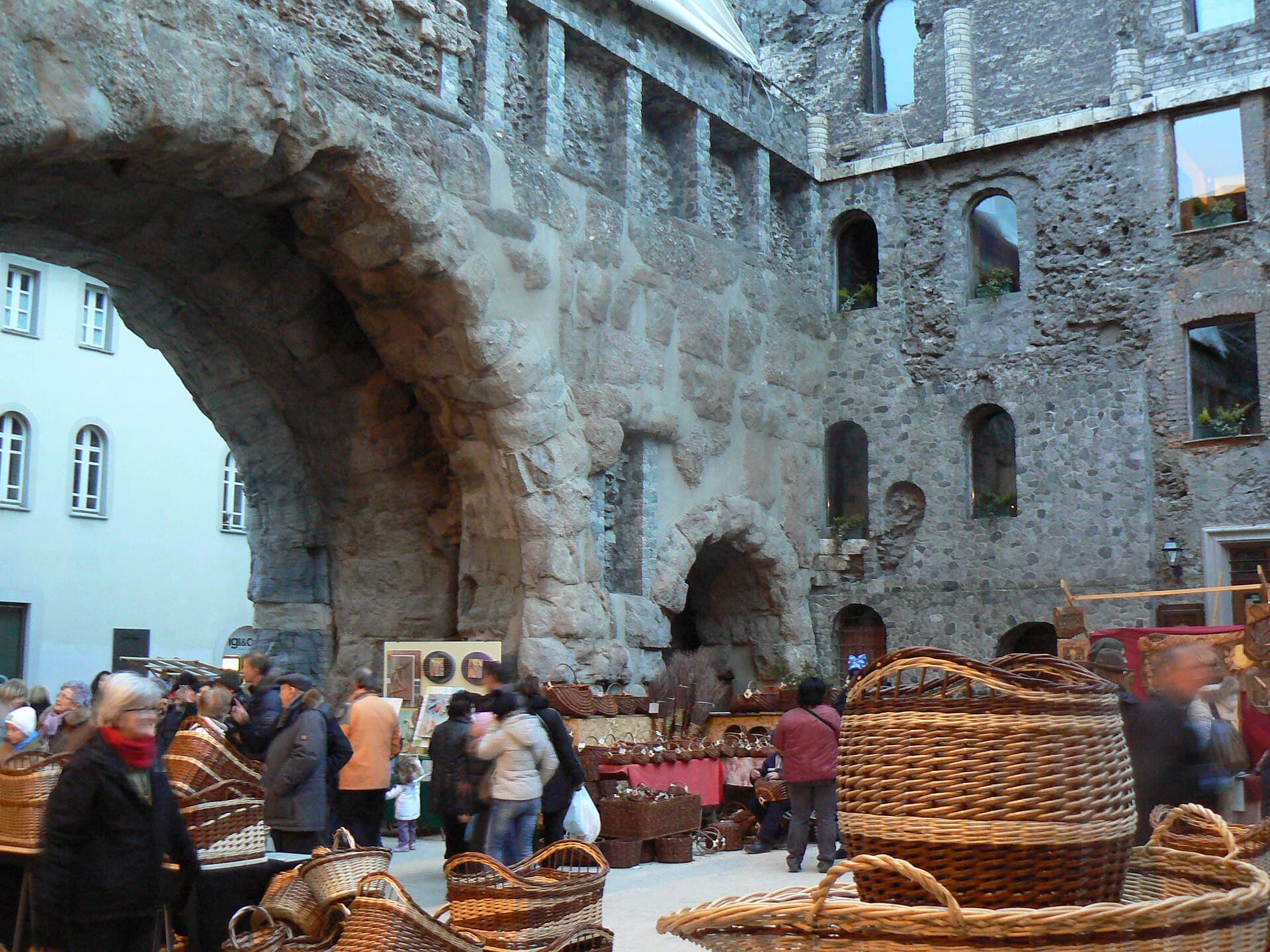
The Sant'Orso Fair, on 30 and 31 January in Aosta, is Valle d'Aosta's oldest and best-loved craft festival. Since the Middle Ages, artisans have displayed wood, stone, wrought iron and textile work along the historic centre's streets. Hundreds of stalls, music and conviviality draw tens of thousands of visitors over two days of winter celebration.

Food & Wine

Food & Wine

Fontina PDO, Jambon de Bosses, Lardo d'Arnad — the authentic flavours of Valdostan high altitude

Food & wine

Food and wine

Fontina, seupa, mocetta and DOC crus: dishes and wines to taste after a day on the trail.

DOP Fontina

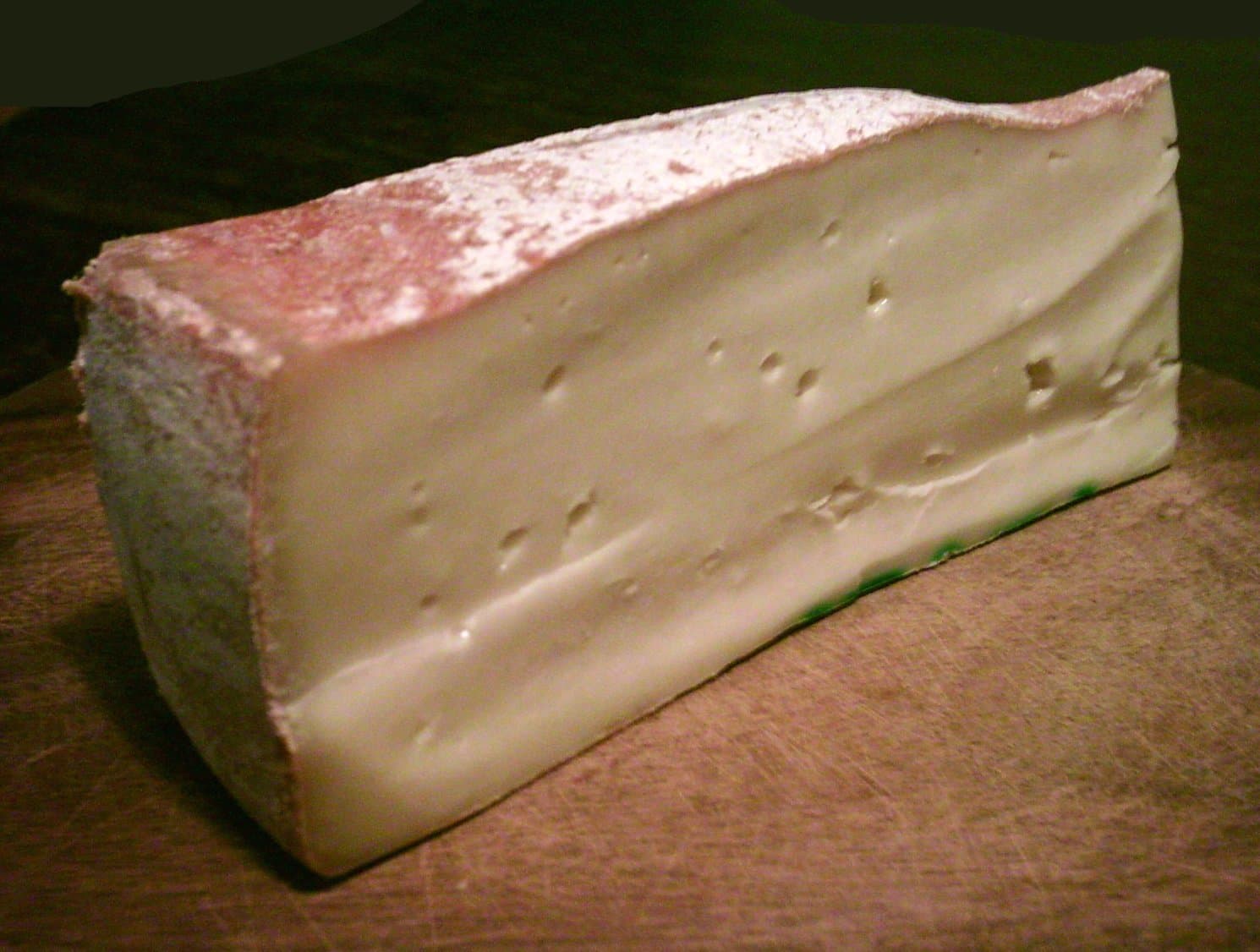
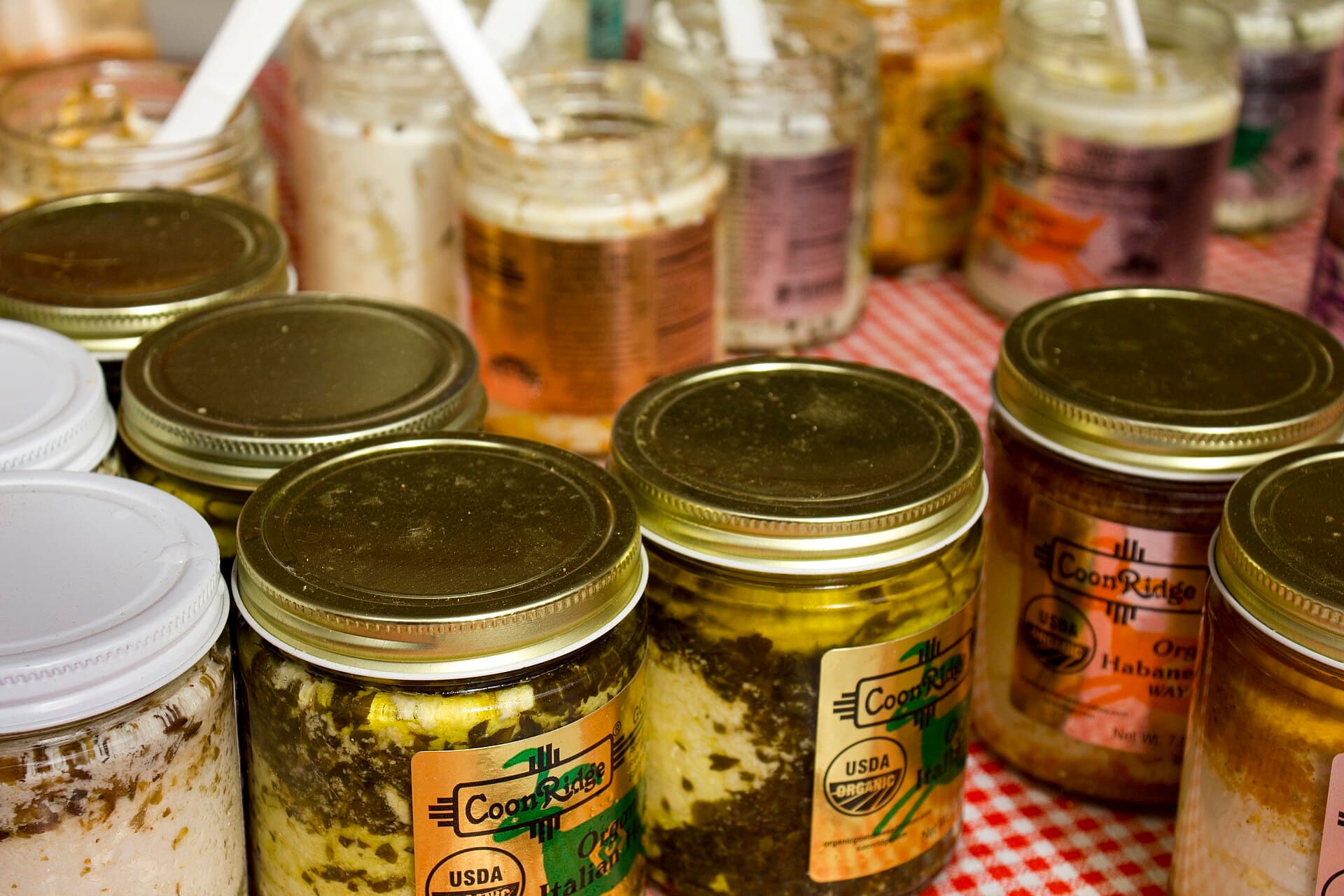
Fontina is Valle d'Aosta's quintessential DOP cheese: semi-cooked raw-cow's-milk paste, aged at least three months in mountain caves. The flavour is mild, with hazelnut and mushroom notes, and comes exclusively from Valdostan breeds on alpine pasture. Essential in fondue and polenta concia, it is protected by the Fontina Producers Consortium.

Jambon de Bosses
Dish

Jambon de Bosses

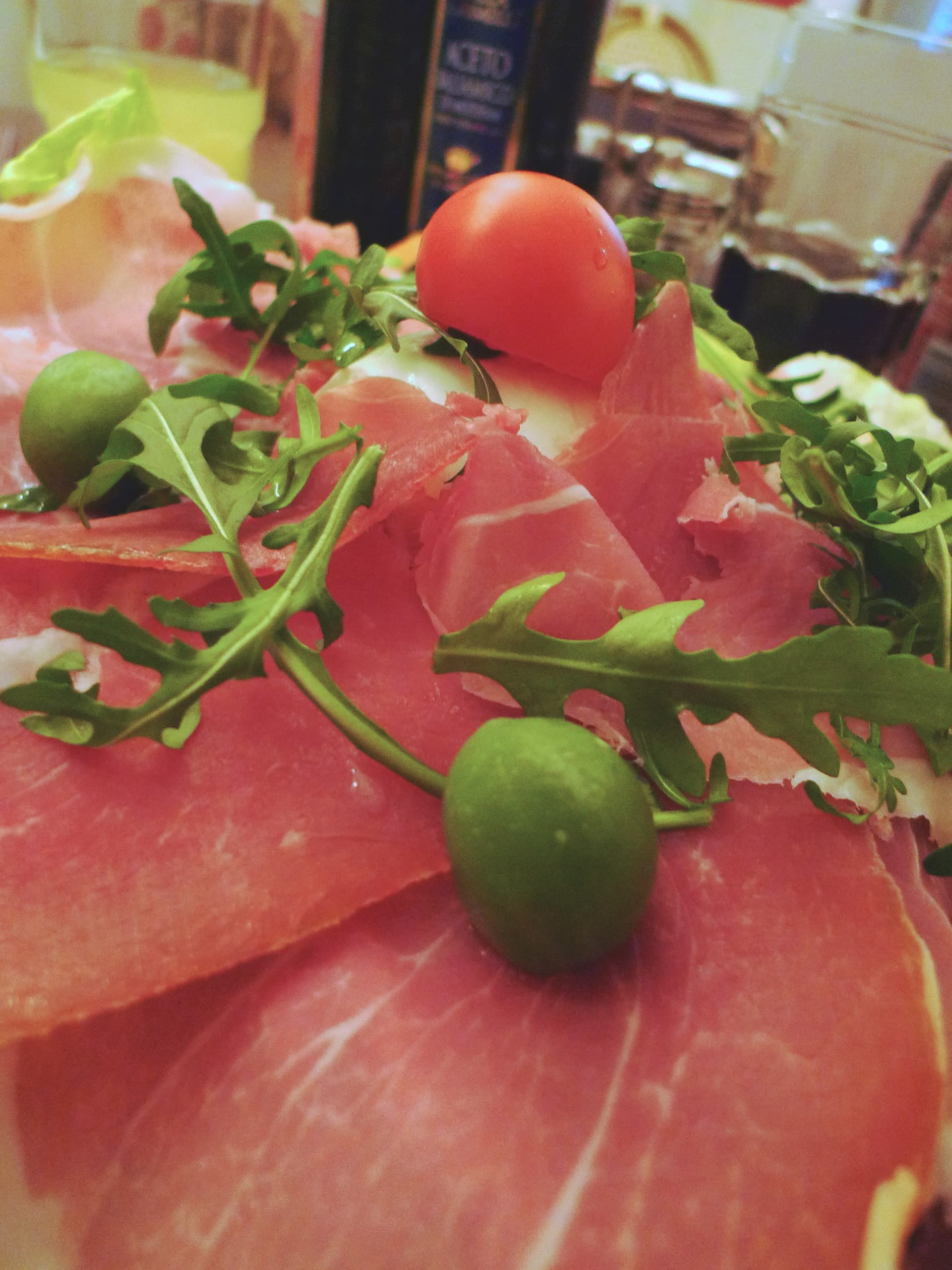
DOP cured ham aged in Saint-Rhémy-en-Bosses, at over 1,600 metres, in climatic conditions ideal for slow maturation. Artisan processing — salting, ageing in ventilated rooms — yields a ham with delicate flavour and ruby-red slice. Best enjoyed with rye bread or mocetta.

DOP Lardo d'Arnad

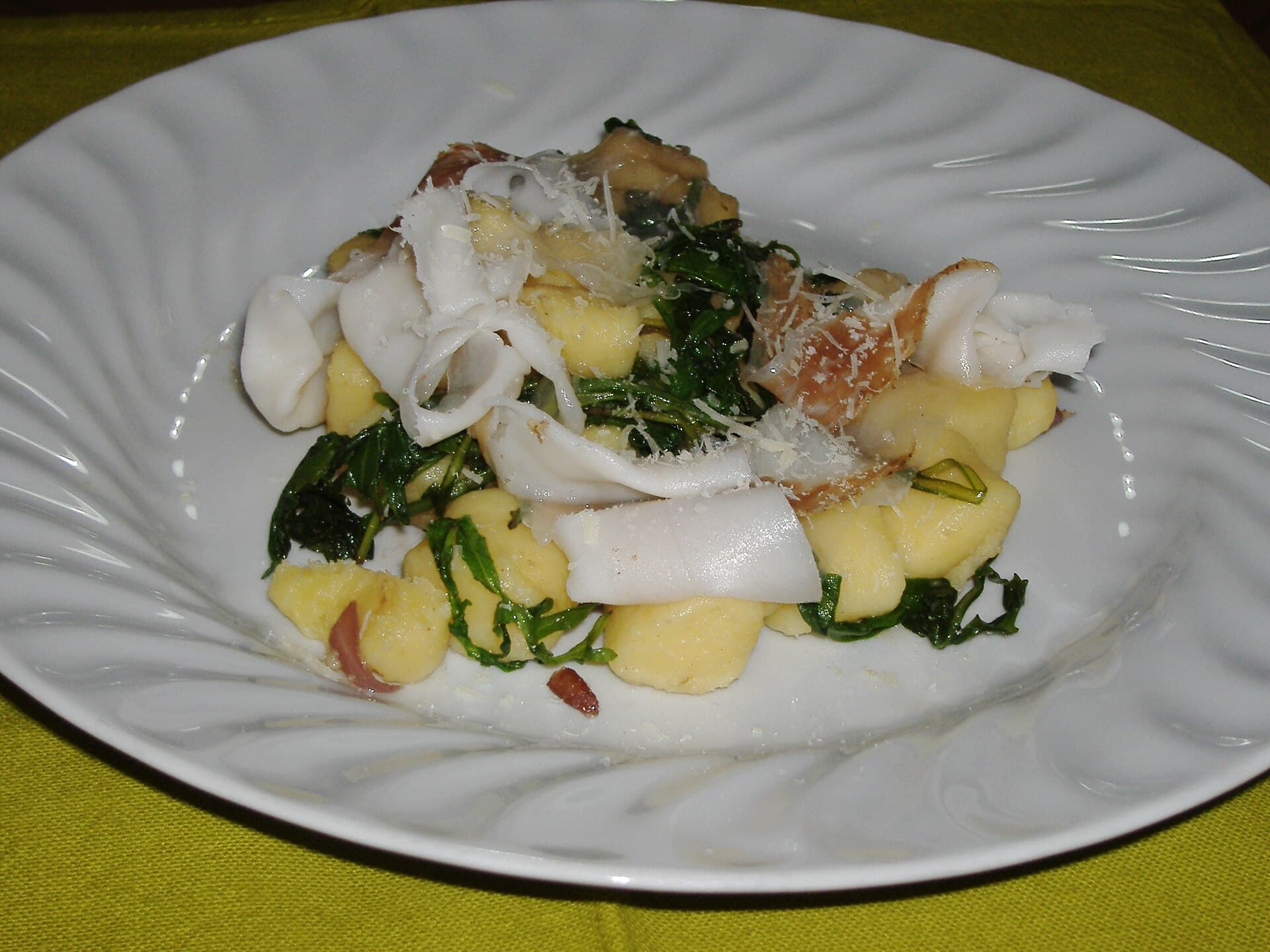
Lardo d'Arnad is pork belly cured in wooden tubs called doil, with salt, herbs and spices. Produced in Arnad, central Val d'Aosta, it gained DOP status in 1996. The translucent slice, with sweet spiced flavour, is traditionally served on dark bread or with mountain honey.

Mocetta

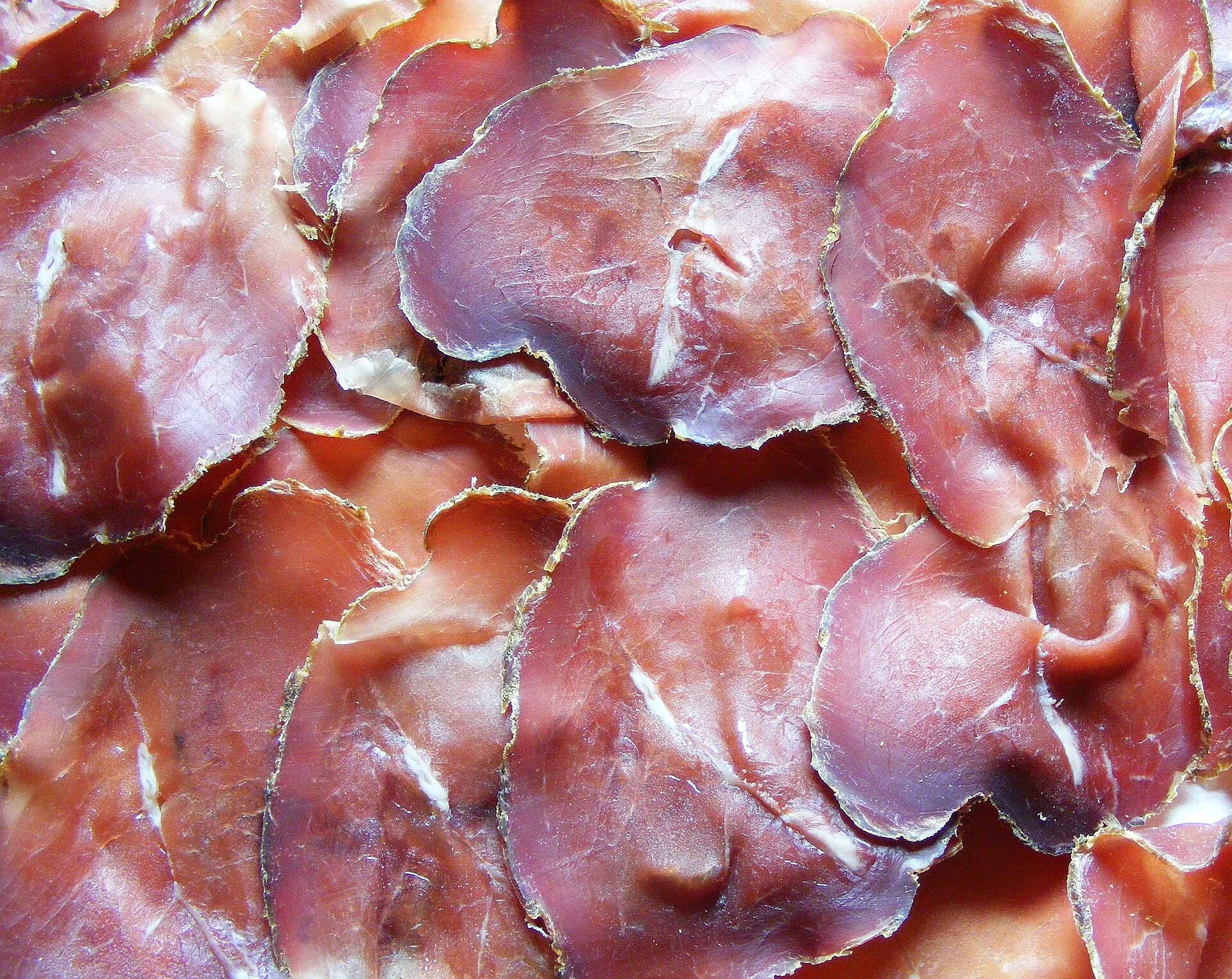
Mocetta is air-dried chamois or deer meat, sliced paper-thin and aged in mountain wind. An ancient food of shepherds and hunters, it is eaten as an appetiser or hiking snack. Intense flavour and tender texture make it a typical hut and Valdostan table product.

Seupa valpellinentze
Dish

Seupa valpellinentze

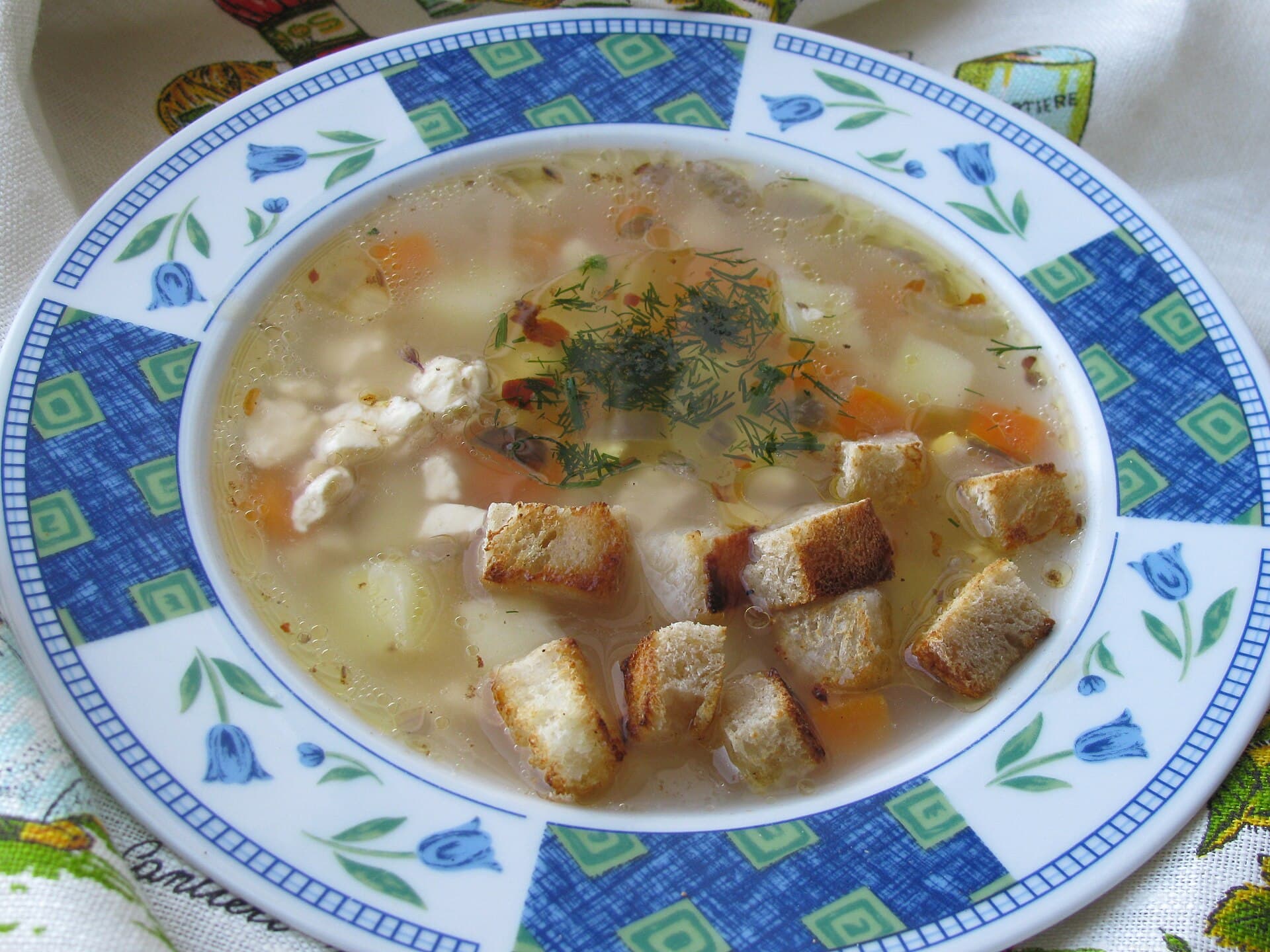
Seupa valpellinentze is a rustic Valpelline soup: stale bread, Fontina, meat broth and melted butter, oven-gratinated. A peasant dish born to use leftovers, it is now a symbol of Valdostan mountain cooking. Enjoy it in trattorias in Oyace, Ollomont and Bionaz.

Polenta concia

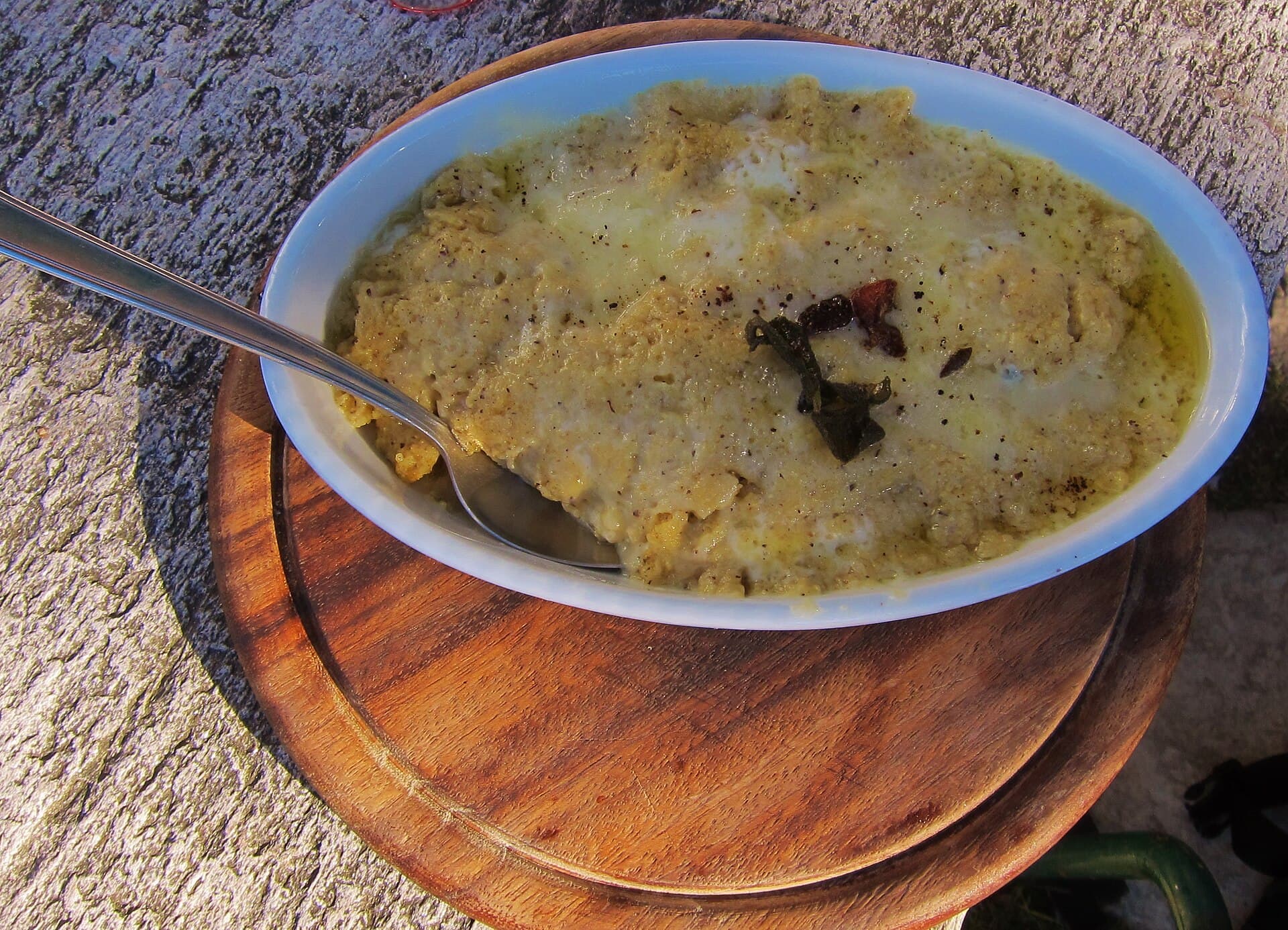
Polenta concia — «concia» means dressed — combines Valdostan cornmeal with generous melted Fontina and butter. A humble dish become a regional flagship, it is served steaming in terracotta or wooden bowls. In huts and mountain trattorias it is the dish that warms you after a day on the trail.

Carbonade

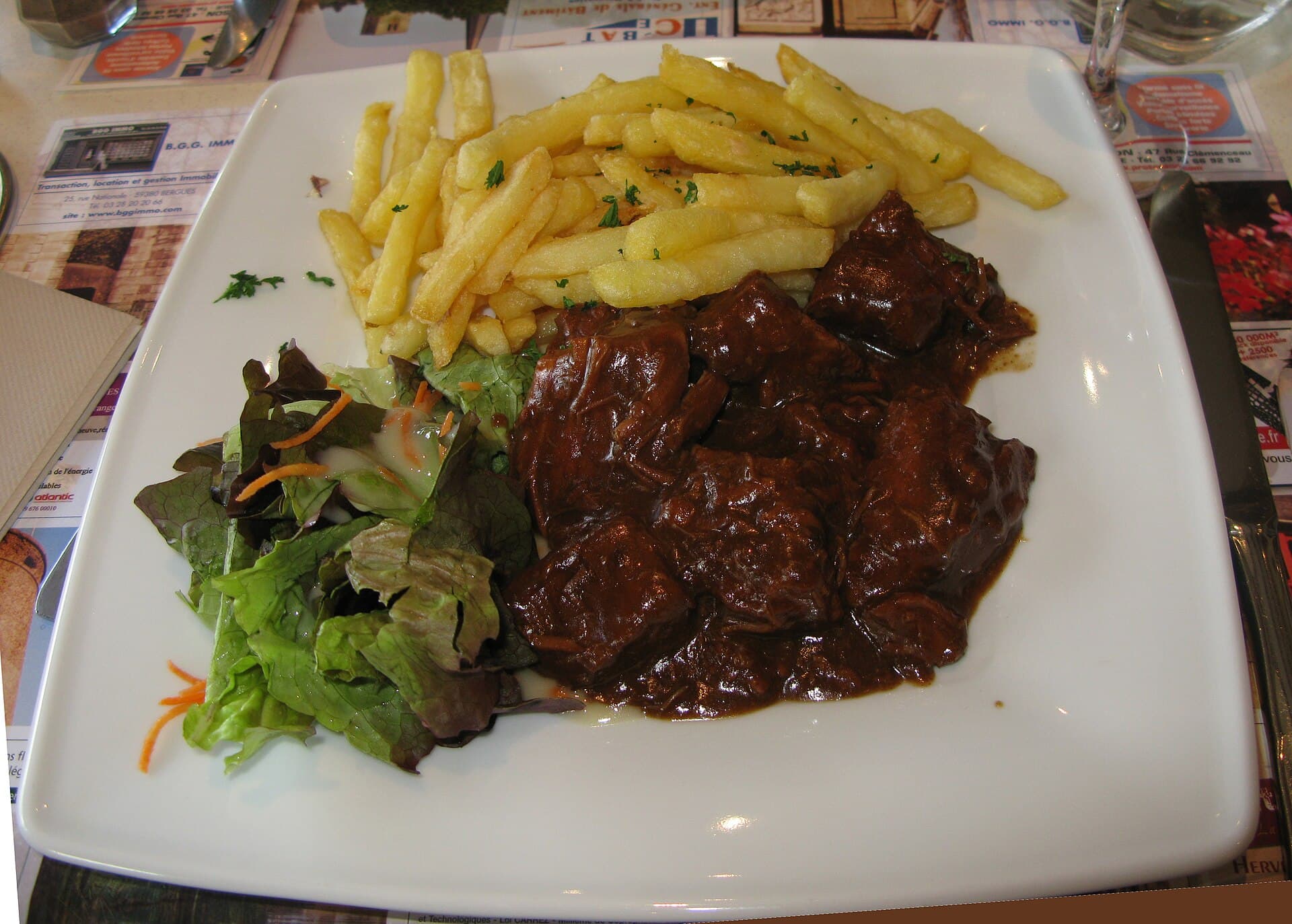
Carbonade is a beef stew cooked in Valdostan red wine, with onion, sage and spices. A hearty valley-floor dish, it is served with polenta or potatoes. Slow cooking in wine — often Torrette or Enfer d'Arvier — gives deep flavour and a velvety sauce.

Valdostan coffee

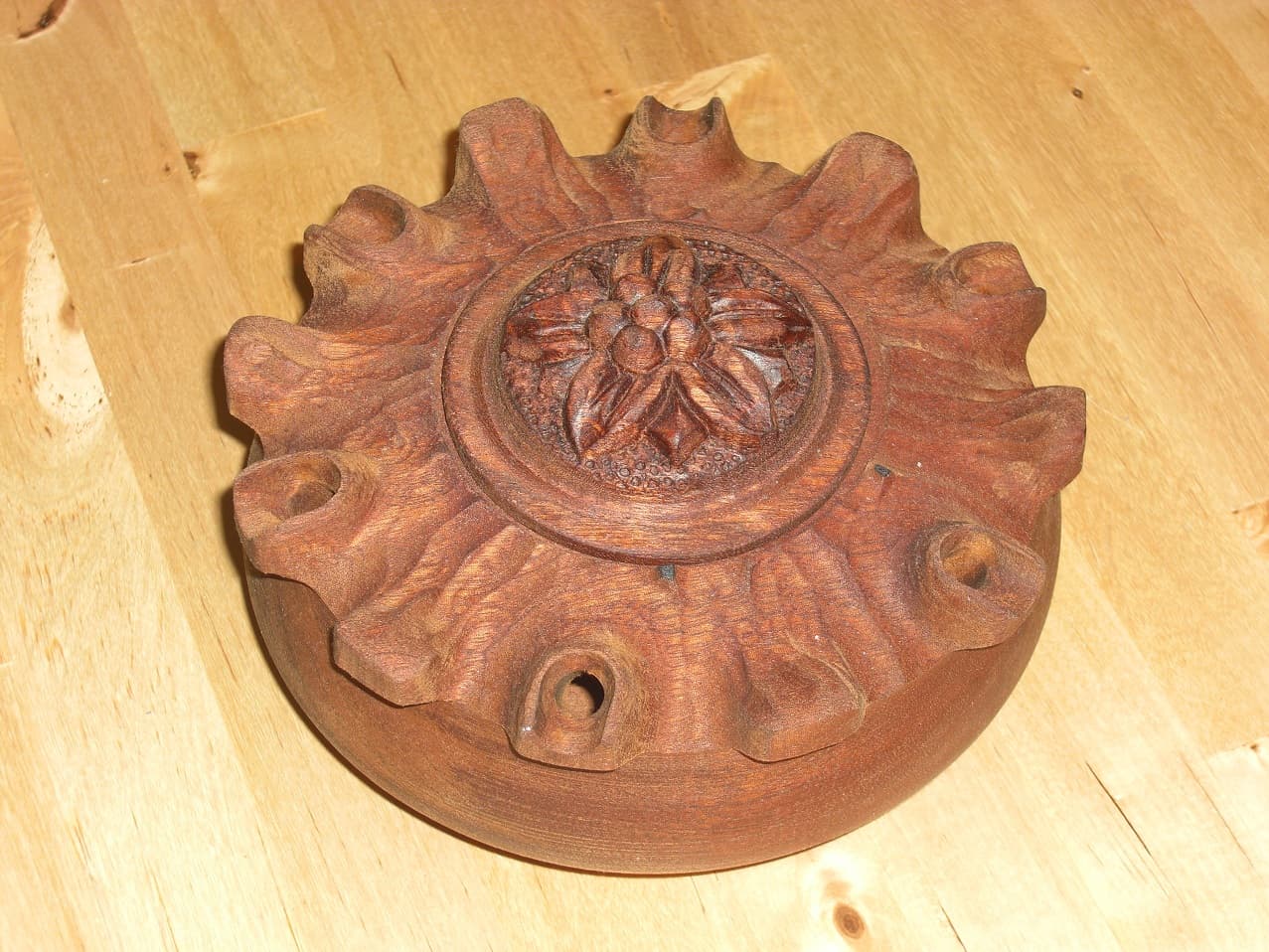
Valdostan coffee is prepared in the grolla, a wooden vessel with multiple spouts for communal drinking. Coffee, grappa, sugar, lemon and spices — cinnamon, cloves — blend in a convivial rite that warmed shepherds and travellers. Today it is found in trattorias and village feasts.

Picotin
Cheese

Picotin

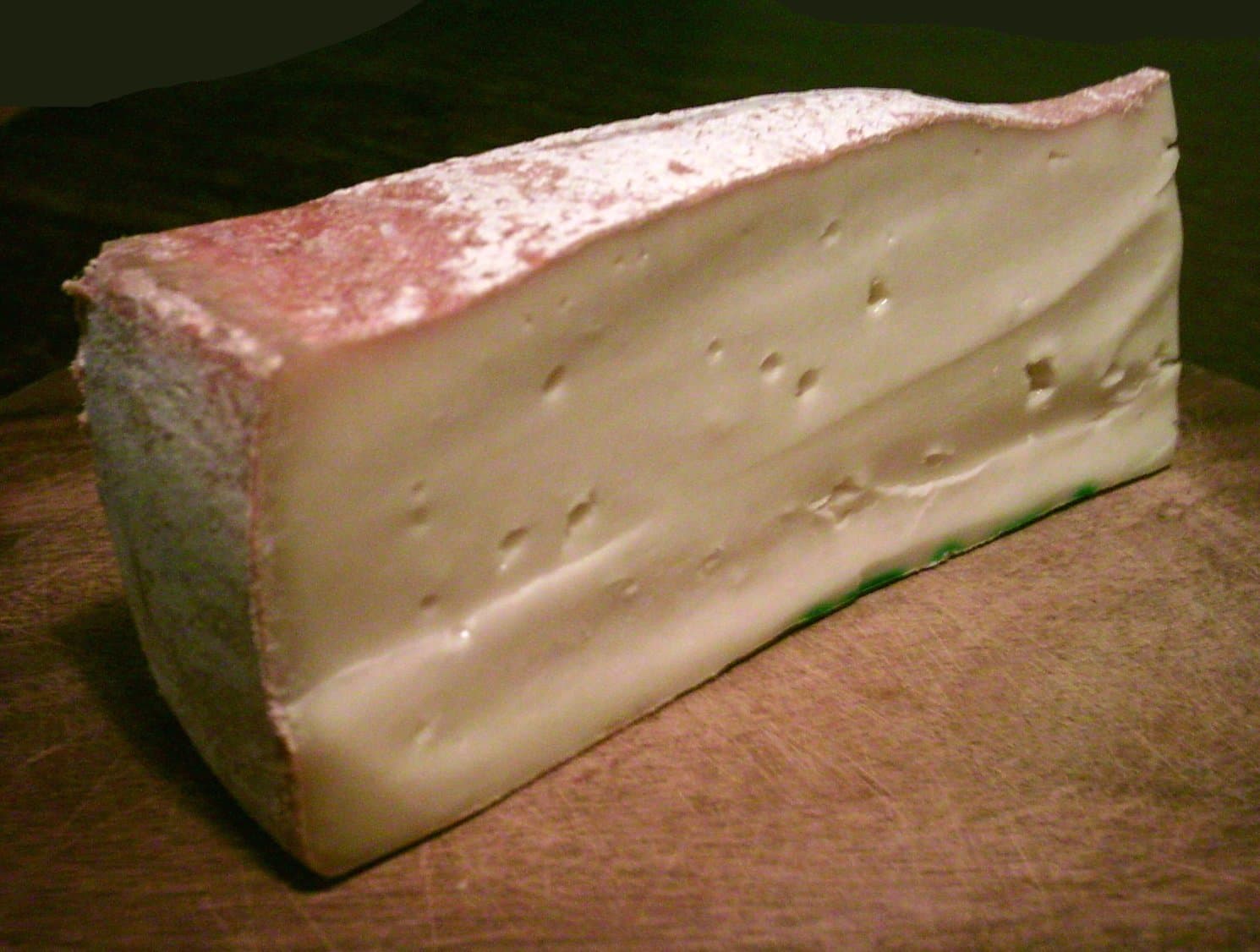
Picotin is a whole-milk goat or goat-sheep cheese, typical of the Lower Valley and side valleys. Small format, soft paste and delicate flavour make it a table and appetiser cheese. It is produced artisanally in many mountain dairies.

Tegole

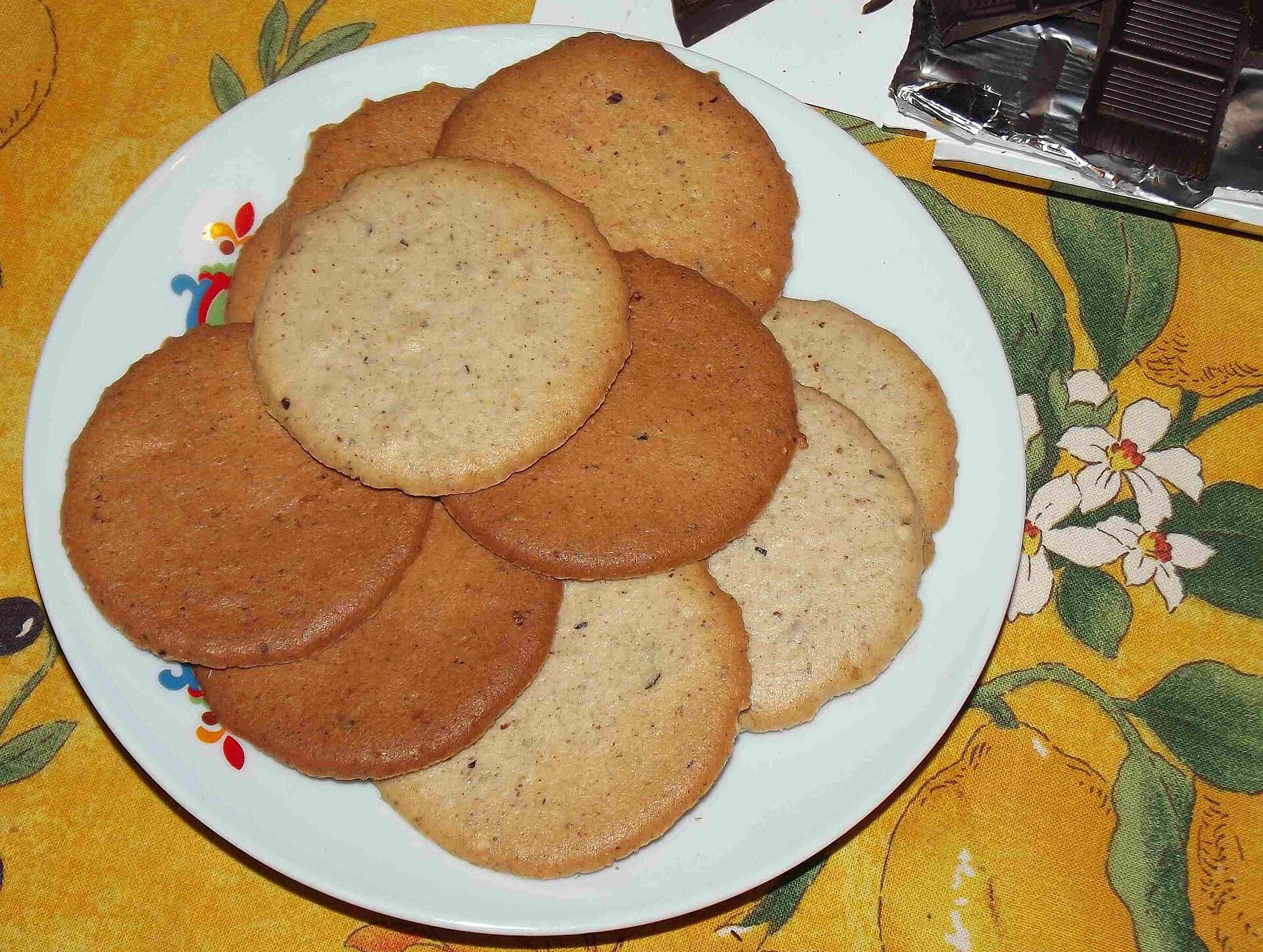
Tegole are thin, crisp tile-shaped biscuits made with almonds, sugar and egg whites. A typical Valdostan sweet, they are found in pastry shops and local product stores across the region. The name evokes the rounded shape and brittle texture.

Blanc de Morgex et de La Salle

Blanc de Morgex et de La Salle is one of Europe's highest white wines, produced at over 1,200 metres from the native Prié Blanc grape. Straw colour, delicate aroma and lively acidity make it ideal as an aperitif or with lake dishes. The Valle d'Aosta Wine Consortium protects its DOC designation.

Enfer d'Arvier
Wine

Enfer d'Arvier

Enfer d'Arvier is a DOC red from Valle d'Aosta's smallest vineyard area, at Arvier. Native Petit Rouge grape, grown on steep terraces, yields an intense ruby wine suited to carbonade and aged cheeses. The name evokes the torrid heat of the viticultural microclimate.

Torrette

Torrette is a DOC red from the Aosta and Lower Valley area, made mainly from Petit Rouge with small percentages of other native grapes. Lively ruby, fruity aroma and soft tannins make it a versatile everyday wine, perfect with cured meats and Valdostan first courses.

Donnas Picotendro

Donnas — or Picotendro — is a DOC red from the terraced vineyards of Donnas, Pont-Saint-Martin and Perloz. Nebbiolo grape (Picotendro in patois), grown on steep slopes, yields a structured wine suited to ageing. An oenological symbol of the Lower Valley, it pairs with cheese and red meat.

For official information on Valdostan traditions, food and wine.

Territory & culture · Aosta Valley Region