High Route 1 — Stage 5: Niel → Gressoney-Saint-Jean
Warnings
- Long, solitary stage: start at dawn
- Sections exposed to sun and wind above 2500 m
- Snow possible until July on Col di Nannaz
 1 / 2
1 / 2Map & route
Official GPX track — Aosta Valley Region / lovevda.it
Fitness level
~4200 kcal estimated
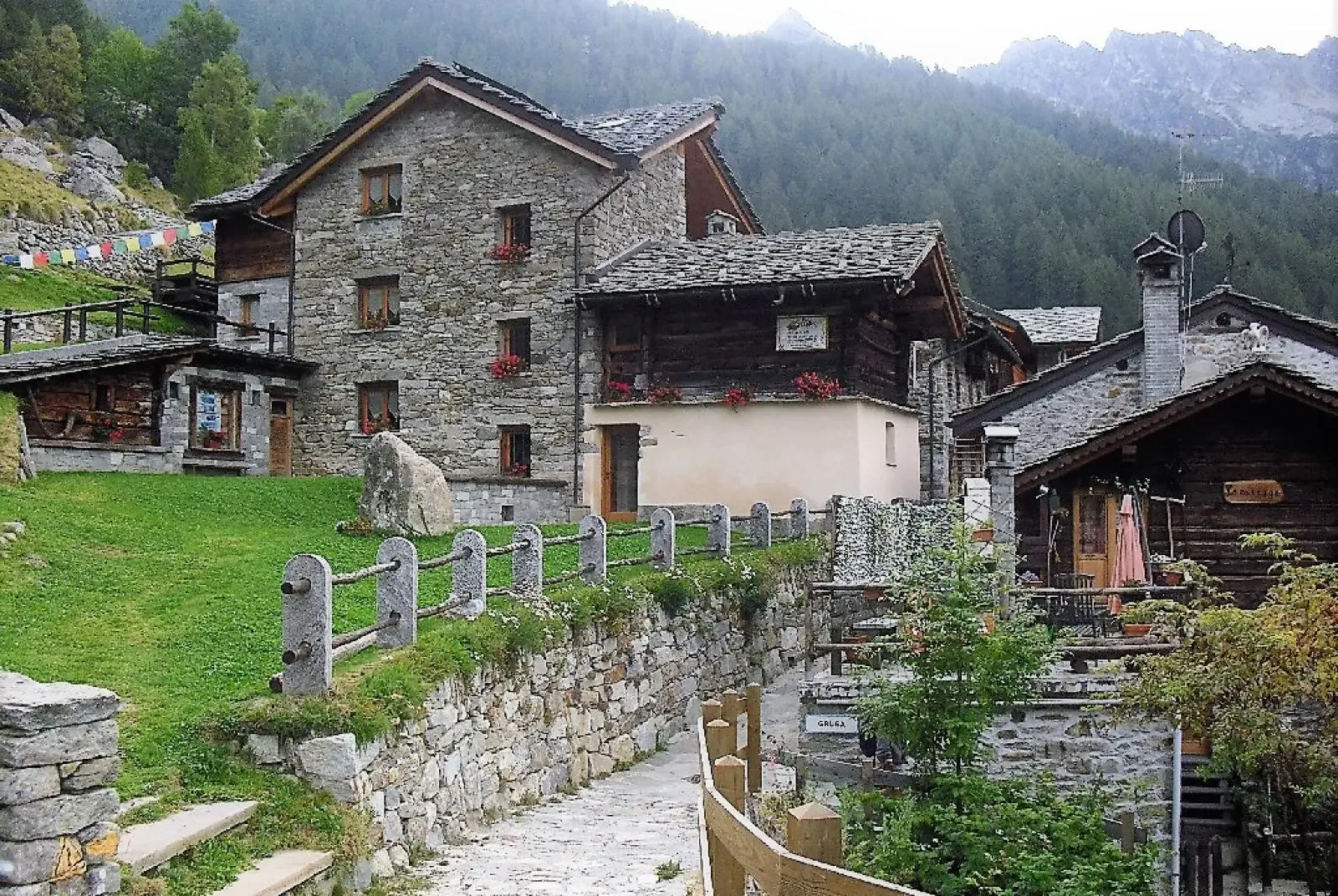
Stage five is the longest and most solitary of this sequence: 18 kilometres of airborne traverse above the Lys valley linking the tiny Walser hamlet of Niel to the town of Gressoney-Saint-Jean. The path gains elevation quickly, leaving behind tree cover to enter a landscape of pastures, scree fields and exposed ridges. Along the traverse walkers pass several still-active summer farms — small stone structures where mountain farmers produce DOP Fontina cheese between June and September — and cross the headwaters of the Lys torrent, born from a rocky buttress just below the crest. Monte Rosa accompanies the walk for most of the day: a distant silhouette to the northeast at first, then progressively closer and more overwhelming as the route advances toward Gressoney. The EE rating reflects sustained sun exposure and cumulative elevation rather than any technical passage. Gressoney-Saint-Jean (1385 m) provides everything needed for a genuine rest day: hotels, restaurants, a supermarket, pharmacy and bus connections to Pont-Saint-Martin.
Along the route: from Niel (1388 m), the path passes Alpe Tournalin (2200 m) — Full view of Monte Rosa; Col di Nannaz (2773 m) — Stage high point, iron cross, to Gressoney-Saint-Jean (1385 m). Along the way you reach the Alpenzu Grande refuge, a useful base. The skyline is dominated by Monte Rosa (4634 m), Lyskamm (4527 m), Punta Gnifetti (Signalkuppe) (4554 m).
Earth sciences
Geology & landscape
The long traverse follows the contact between the Austroalpine metamorphic basement and Monte Rosa Penninic cover, with garnet micaschists, augen gneiss and chloritic phyllites along ridges above 2200 m. Col di Nannaz sits on intensely folded quartzites and micaschists with Alpine extension lineations. Below 2000 m, Würmian glacial deposits of the Lys glacier appear: lateral moraines, drumlins and fluvio-glacial terraces in the Gressoney valley floor. Erratic blocks of Monte Rosa granite and basement gneiss testify to multi-kilometre glacial transport. Lys headwaters emerge from impermeable Penninic rocks with fractured hydrogeology. Penninic ophiolites and calcschists outcrop in side valleys toward Issime.
History & culture
Gressoney-Saint-Jean is the heart of Walser culture (titsch), with a Walser museum and DOP Fontina cheese tradition. Summer farms along the traverse produce cheese by centuries-old methods.
Water sources
Last reliable resupply at Niel. Lys headwaters below the crest; carry at least 2 litres for the high traverse.
Getting there
VITA bus to Gressoney-Saint-Jean from Pont-Saint-Martin and the valley floor. Trenitalia to Pont-Saint-Martin with bus connection.
Parking
Parcheggi a Gressoney-Saint-Jean centro; accesso a Niel solo via sentiero AV1.
Nearby peaks
Refuges & bivouacs
Photo gallery
Photos are published immediately. JPG/PNG/WebP, max 6 MB.
Flora along the trail
Wildlife to spot
Adjacent stages
ACurated and verified by Andrea Rama
Data source: Catasto Sentieri Regione VdA + AllTrails (18.2 km, 7h22 verificati) · Open data — DGR 899/2014
Last verified:
Valle del Lys
Related trails
Same valley or similar routes — more hikes to explore.
Valle del Lys
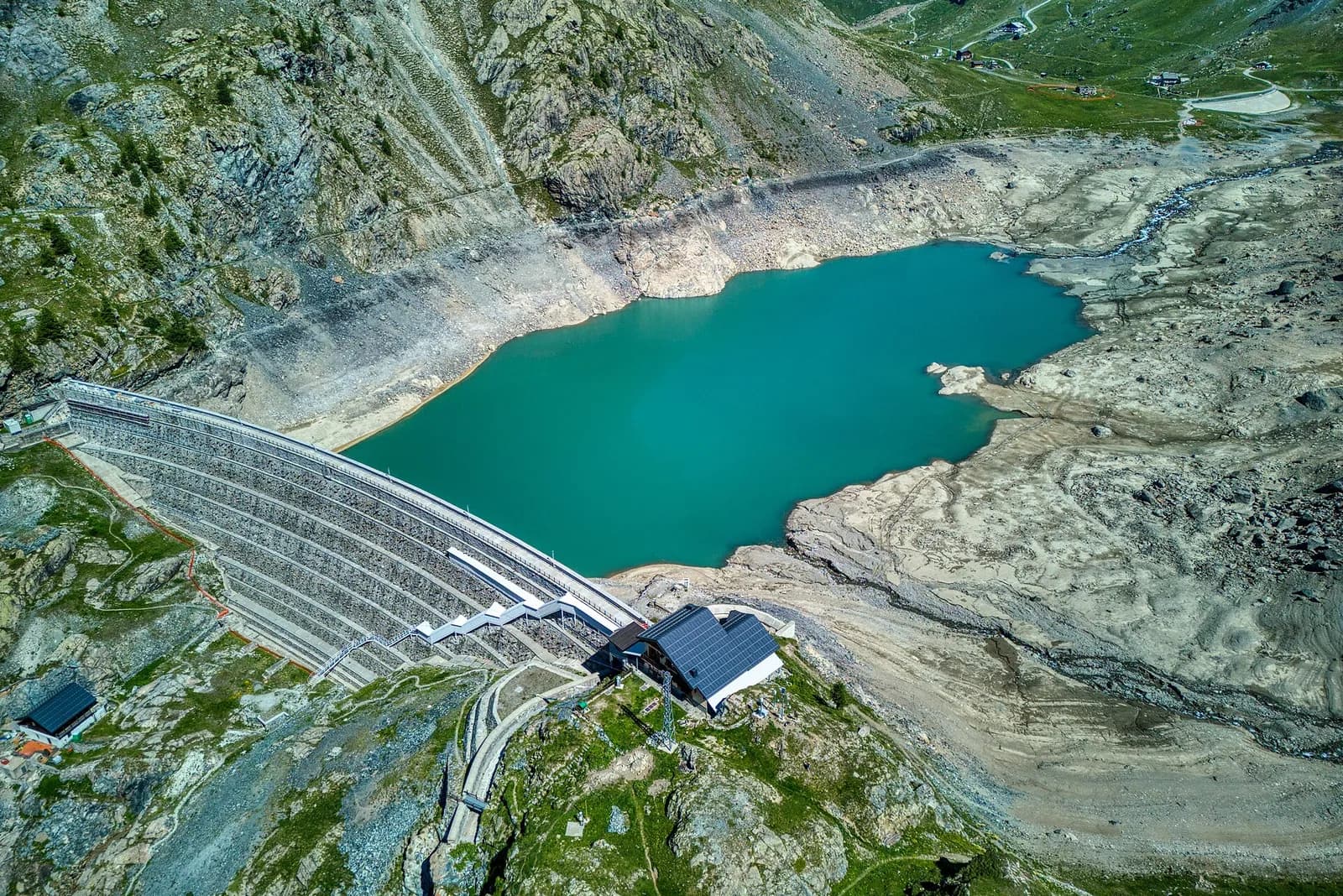
Tour Monte Rosa — Stage 1: Gressoney-Saint-Jean → Lago Gabiet
From the Walser capital to Lake Gabiet.
Valle del Lys — Valsesia (Piemonte)
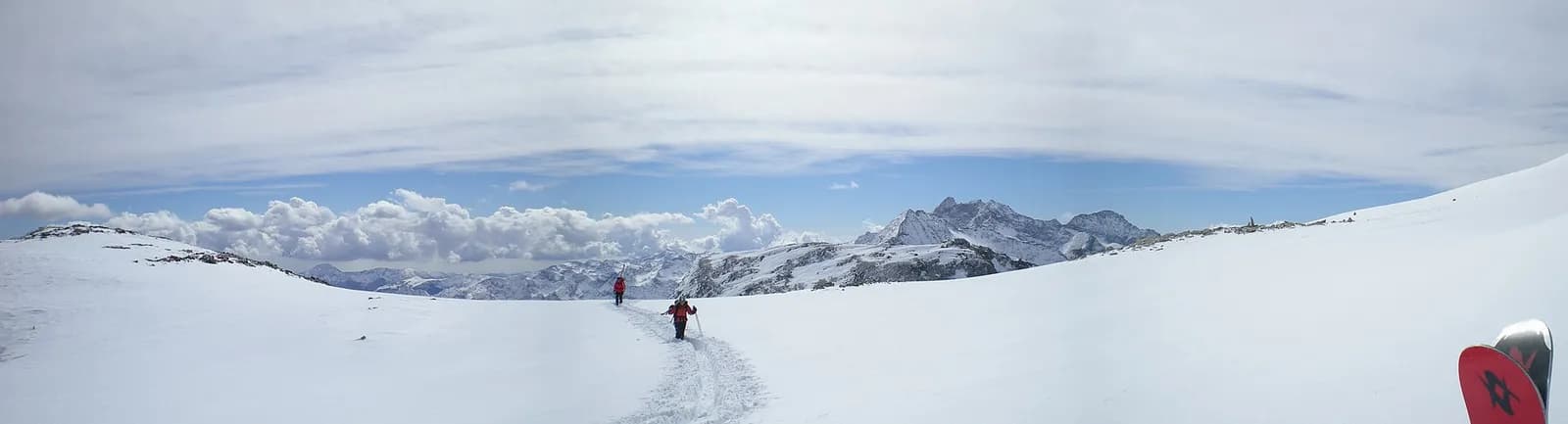
Tour Monte Rosa — Stage 2: Lago Gabiet → Alagna Valsesia
The Col d’Olen and the descent into Valsesia, beyond the Aosta Valley.
Valle del Lys
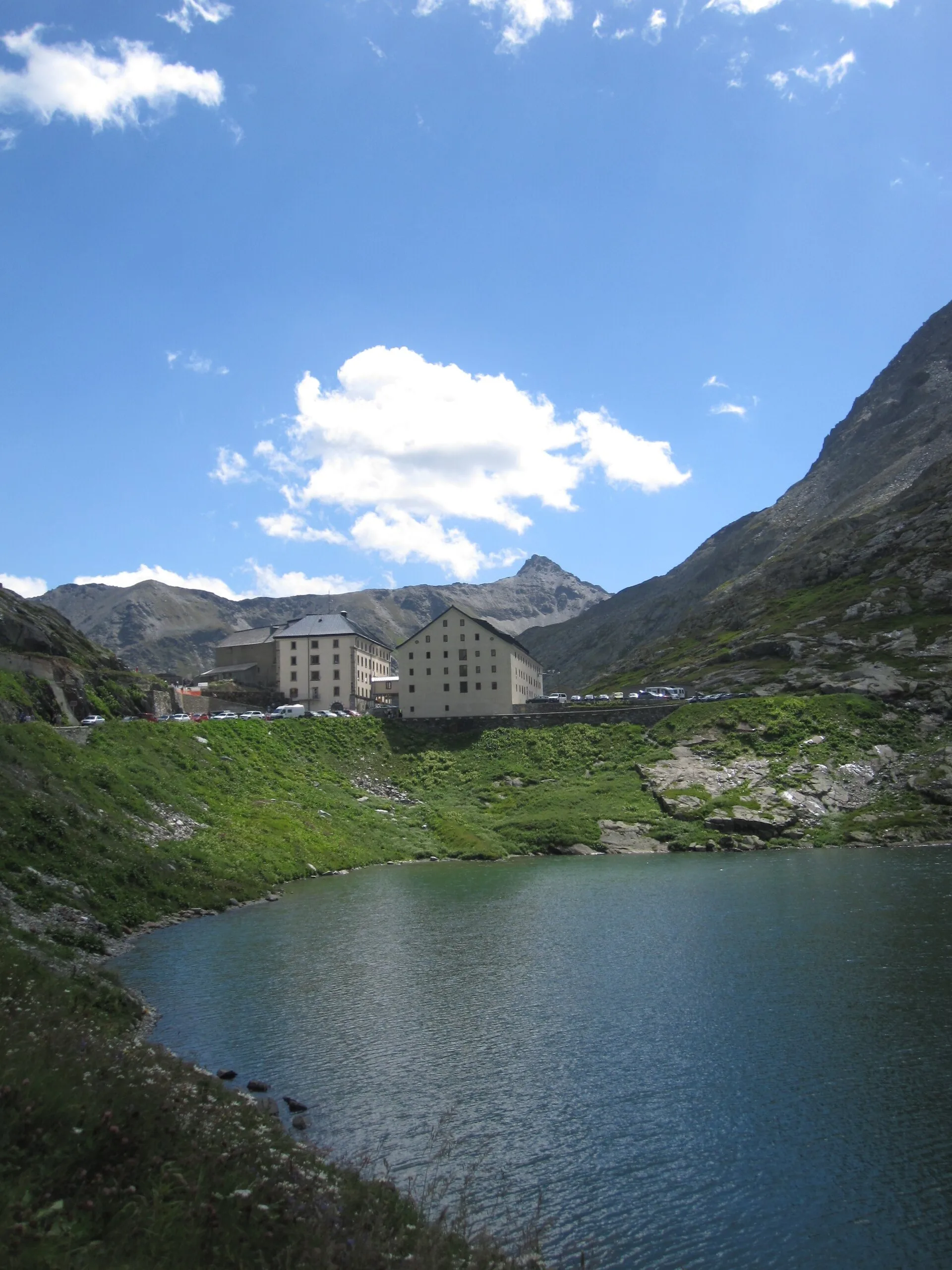
Anello dei Gemelli della Mologna
8.9 km · +996 m · EEA — from Niel to Niel (Great St Bernard Valley).
Valle del Lys
Balmeto - Leck Albezò
1.2 km · +287 m · E — from Balmeto to Leck Albezò (Champorcher Valley).